
From ancient grain to modern superfood, hemp has quietly revolutionized the culinary world with its nutty flavor and exceptional nutritional profile. As plant-based eating gains momentum, this versatile ingredient offers a complete protein source rich in omega-3s. Discover how to master hemp seeds, oil, and flour-from toasting techniques for maximum crunch to heat-safe cooking methods and smart storage solutions that preserve freshness.
1. Why Cook with Hemp: Nutrition and Flavor Basics
Ever wondered what makes hemp seeds a superfood? These tiny powerhouses pack an impressive nutritional punch that goes far beyond their size. Hemp seeds are one of the most complete plant-based proteins available, containing all nine essential amino acids your body needs but cannot produce on its own.
The star players here are the proteins edestin and albumin, which are highly digestible and easy on the stomach. Hemp also delivers a perfect balance of omega-3 and omega-6 fatty acids, plus a special compound called GLA that supports skin health and overall wellness. Research suggests this fatty acid profile is rare among plant foods, making hemp a standout choice for anyone looking to boost their nutrition naturally.
Beyond the impressive nutrient list, hemp brings a delightful flavor to the kitchen. The seeds offer a mild, nutty taste with subtle earthy undertones that complements both sweet and savory dishes. Hemp hearts, which are shelled hemp seeds, have a soft texture that blends seamlessly into smoothies, while hemp oil adds a rich, grassy note to dressings and dips.
Best of all, hemp is naturally vegan and gluten-free, making it an inclusive ingredient for almost any dietary lifestyle. Whether you are baking, sauting, or blending, hemp adapts beautifully without overpowering other flavors. In the sections ahead, you will discover practical ways to use hemp oil, seeds, flour, and protein powder in everyday cooking, plus tips for storage and heat management. Get ready to make hemp a pantry staple that elevates both nutrition and taste in every meal.
2. Hemp Seeds vs. Hemp Oil: Choosing the Right Ingredient
When you’re staring at the pantry shelf, knowing whether to grab seeds or oil can make or break your dish. Both come from the same plant, but they behave very differently in the kitchen. Hemp seeds, also known as hemp hearts, offer texture and structure, while hemp oil delivers flavor and richness.
Shelled hemp seeds are soft and tender with a mild, nutty taste. They work beautifully in baked goods, salads, and granola where you want a subtle crunch or creamy chew. Hemp oil, especially cold-pressed and unrefined, is a finishing ingredient. It shines when drizzled over finished dishes or whisked into dressings.
The key difference comes down to heat. Hemp oil has a low smoke point and is highly heat-sensitive. Exposing it to high temperatures can destroy its delicate nutrients and create a bitter flavor. Seeds, on the other hand, can withstand light toasting or baking without losing their appeal.
| Characteristic | Hemp Seeds (Hemp Hearts) | Hemp Oil (Cold-Pressed) |
|---|---|---|
| Flavor | Mild, nutty, slightly earthy | Rich, nutty, grassy undertones |
| Texture | Soft, chewy, adds crunch when toasted | Smooth, liquid, silky |
| Nutrition | Protein, fiber, omega-3 and omega-6, magnesium, zinc | Omega-3 and omega-6, GLA, vitamin E, antioxidants |
| Best Uses | Baking, smoothies, salads, granola, pesto, energy balls | Dressings, marinades, drizzles, dips, low-heat sauces |
| Heat Stability | Can handle baking and light toasting | Low smoke point, avoid high heat |
| Shelf Life | Longer if stored in a cool, dry place | Shorter, needs refrigeration after opening |
If you want crunch and texture, reach for hemp seeds. Sprinkle them over yogurt, oatmeal, or pasta for an instant upgrade. They also act as a great thickener or egg replacement in vegan baking. You can blend them into smoothies or grind them into a paste for hummus and spreads.
If you want a nutty dressing or a finishing drizzle, choose hemp oil. It emulsifies beautifully with vinegar and citrus for salads. Use it in marinades, over roasted vegetables after cooking, or stirred into risotto off the heat. Its green color and earthy taste add depth to cold dishes.
There is no winner here, only the right tool for the job. Consider your recipe’s needs first. For no-bake treats like energy balls, seeds provide structure. For a delicate sauce or dip, oil brings silkiness. Both offer plant-based protein, essential amino acids, and a gluten-free, vegan-friendly boost to your cooking.
Storage matters too. Keep hemp seeds in an airtight container away from light. Refrigerate hemp oil once opened to prevent rancidity. With proper care, both ingredients stay fresh and ready for your next culinary creation.
3. Toasting Hemp Seeds for a Nutty Crunch
A dry skillet and five minutes are all it takes to transform hemp seeds into a crunchy topping. Raw shelled hemp seeds, also known as hemp hearts, have a soft texture and a mild, earthy taste. A quick toast changes their character entirely, bringing out a deep, nutty flavor and a satisfying crispness that raw seeds simply lack.
To toast on the stovetop, place a single layer of hemp hearts in a dry skillet over medium heat. Stir them constantly with a wooden spoon or spatula for 3 to 5 minutes. You will know they are ready when they turn a light golden brown and release a warm, fragrant aroma that smells similar to toasted sesame or sunflower seeds.
For the oven method, preheat your oven to 350 degreesF. Spread the hemp seeds evenly on a parchment-lined baking sheet. Bake for 5 to 7 minutes, shaking the pan halfway through to ensure even toasting. Watch them closely during the final minute, as oven temperatures can vary and the seeds can go from golden to burnt very quickly.
Over-toasting is the biggest risk with hemp seeds. Because they are rich in omega-3 and omega-6 fatty acids, they burn faster than many other nuts and seeds. Burnt hemp seeds turn dark brown, taste bitter, and lose their nutritional value. If you notice a sharp, acrid smell, remove them from the heat immediately, they are already past the point of no return.
Once toasted, let the seeds cool completely before using or storing them. The cooling process adds extra crunch as the oils settle. Sprinkle them over salads, oatmeal, yogurt, or even pasta and risotto for a delightful textural contrast. They also make an excellent topping for hummus, dips, and roasted vegetables.
Always store toasted hemp seeds separately from your raw batch. Toasting changes their moisture content and makes them more prone to rancidity. Keep the toasted seeds in an airtight glass jar in the refrigerator and use them within one week. The raw seeds can stay in their original packaging, but they also benefit from cold storage to extend their shelf life and preserve their delicate fatty acids.
4. Blending Hemp into Smoothies and Breakfast Bowls
Mornings get a protein-packed upgrade when you toss a spoonful of hemp hearts into your blender. The classic breakfast problem is real: you eat a bowl of cereal or toast, and within an hour, your stomach is growling again. Hemp seeds solve this by adding plant-based protein and healthy fats that keep you satisfied well past lunchtime.
You do not need to change your favorite smoothie recipe to enjoy the benefits. Just add 2 tablespoons of shelled hemp seeds to your usual mix of fruit, greens, and liquid. The seeds blend into a silky, creamy texture that makes your drink feel richer, yet they do not overpower the flavor. Their mild, nutty taste disappears behind berries, bananas, or mango, making them a perfect stealth ingredient.
For a green smoothie, combine a handful of spinach, one frozen banana, a cup of unsweetened hemp milk, and your 2 tablespoons of hemp hearts. The result is a thick, frothy drink with a pleasant earthy undertone. Hemp seeds act as a natural emulsifier, so your smoothie stays smooth and does not separate into watery layers as it sits.
Breakfast bowls work just as well as drinks. Stir 2 tablespoons of hemp hearts into a bowl of hot oatmeal, or sprinkle them over Greek yogurt for added crunch. You can also blend them into a smoothie bowl base, then top with fresh fruit, granola, and an extra pinch of seeds. Since hemp seeds are naturally gluten-free and vegan, they fit nearly every dietary preference without any extra prep work.
5. Making Hemp Pesto and Sauces
Classic pesto gets a dairy-free makeover with hemp seeds standing in for pine nuts. The result is a creamy, vibrant sauce that comes together in about five minutes. Shelled hemp seeds, also called hemp hearts, blend effortlessly into a smooth base without any soaking or pre-processing.
Start with a basic recipe: combine 1 cup fresh basil, 1/2 cup hemp hearts, 1 garlic clove, and the juice of half a lemon in a food processor. Pulse while streaming in 1/3 cup of olive oil or cold-pressed hemp oil. Add salt to taste and a spoonful of nutritional yeast for a cheesy, savory note if you like.
The magic happens because hemp seeds contain natural oils and proteins that emulsify when blended. This creates a luscious, creamy texture without any dairy. The flavor is mild and nutty, not overpowering, which lets the basil and garlic shine through.
Mix the pesto into warm pasta, spread it on crusty bread, or dollop it over roasted vegetables. It also works beautifully as a sandwich spread or a quick marinade for grilled chicken or tofu.
For a sun-dried tomato variation, swap half the basil for 1/2 cup of oil-packed sun-dried tomatoes. Add a pinch of red pepper flakes for a gentle kick. This version pairs exceptionally well with white beans or as a topping for crostini.
Try a kale pesto by replacing the basil with 2 cups of stemmed, chopped kale. Massage the kale with a little lemon juice first to soften it. The earthy taste of kale combines nicely with the nutty flavor of the hemp seeds, and the green color stays vibrant.
You can also experiment with other greens like spinach or arugula. Each green brings its own personality, from peppery arugula to mild spinach, while the hemp seeds keep everything creamy and cohesive.
When using hemp oil in your pesto, remember it has a low smoke point. This sauce is strictly a no-cook preparation, so the oil never gets heated. That preserves the delicate omega-3 and omega-6 fatty acids that make hemp oil so nutritious.
If you use hemp oil, consider blending it with olive oil. A 50-50 mix gives you the grassy, earthy taste of hemp without it dominating the entire sauce. Store any leftover pesto in a jar with a thin layer of oil on top to keep it fresh.
Beyond pesto, hemp seeds shine in creamy sauces and dips. For a quick hemp ranch, whisk together 1/2 cup hemp hearts, 1/4 cup water, 2 tablespoons apple cider vinegar, and a teaspoon of dried dill. Add garlic powder, onion powder, and salt, then adjust the consistency with more water.
This ranch dip thickens as it sits, so let it rest in the fridge for 15 minutes before serving. It works as a vegetable dip, a salad dressing, or a drizzle for grain bowls. The hemp seeds act as a natural thickener, so you skip the mayonnaise entirely.
For a creamy hemp Alfredo, blend 1 cup hemp hearts with 3/4 cup water, 2 tablespoons nutritional yeast, a garlic clove, and a pinch of nutmeg. Warm it gently in a saucepan over low heat, stirring constantly. Do not boil it, as that can make the sauce separate.
Toss the warm sauce with fettuccine and steamed broccoli for a satisfying weeknight meal. The sauce clings to the pasta beautifully, and the hemp seeds provide a protein boost that traditional Alfredo lacks.
These sauces keep well in the refrigerator for up to five days. The fats in hemp seeds can turn rancid over time, so always store them in an airtight container. Refrigeration slows oxidation and preserves the fresh, nutty flavor.
You can also freeze pesto in ice cube trays for single servings. Pop out a cube whenever you need a quick sauce for pasta or a flavor boost for soups. This makes meal prep simple without sacrificing quality.
6. Baking with Hemp Flour: Substitution Tips
Hemp flour brings a nutty, earthy note to baked goods, but swapping it 1:1 for wheat flour can lead to dense results. The reason comes down to structure. Hemp flour is gluten-free and high in protein, yet it lacks gluten’s elasticity, which gives bread and muffins their rise.
Because of this, you need to treat hemp flour as a partial replacement rather than a full swap. A good starting point is to replace 25 to 30 percent of the all-purpose flour in a recipe with hemp flour. This keeps the texture recognizable while adding a pleasant green tint and a boost of plant-based protein.
You also need to compensate for the missing gluten. Adding a binder helps hold the crumb together. For every cup of hemp flour you use, consider adding one teaspoon of xanthan gum or an extra egg. Vegans can use a flax egg, which is one tablespoon of ground flaxseed mixed with three tablespoons of water.
Hemp flour absorbs more moisture than wheat flour, so your batter may look dry at first. Do not panic. Add an extra tablespoon or two of liquid, such as hemp milk or plain water, until the batter reaches the usual consistency. Letting the batter rest for 10 minutes also gives the flour time to hydrate fully.
- Muffins: Use 1/4 cup hemp flour per 1 cup all-purpose flour. Add one extra egg and 2 tablespoons of hemp milk. Expect a denser, hearty crumb.
- Bread: Keep hemp flour at 20 percent of the total flour weight. Combine it with a strong wheat flour or add vital wheat gluten to maintain structure.
- Pancakes: Swap 1/3 cup of the flour for hemp flour. Thin the batter with extra hemp milk, since pancakes need a pourable consistency.
For best results, sift hemp flour before measuring, as it tends to clump. Store it in the refrigerator or freezer to prevent rancidity, since the natural oils in hemp flour can go off at room temperature. With these adjustments, you can enjoy the nutty flavor and nutritional benefits without sacrificing texture.
7. Adding Hemp to Salads and Dressings
A salad becomes a complete meal when you sprinkle hemp hearts and whisk up a hemp oil vinaigrette. The beauty of hemp is that it requires zero cooking time to shine. You can transform a simple bowl of greens into a satisfying dish packed with plant-based protein and omega-3 fatty acids in under five minutes.
Hemp hearts are the quickest win in your salad rotation. These shelled hemp seeds have a soft, tender texture that blends well with crisp vegetables. They do not need soaking or grinding, so you can toss them straight from the bag onto your plate.
For the dressing, cold-pressed hemp oil brings a rich, earthy taste that elevates any vinaigrette. Since hemp oil is heat-sensitive, it works best in raw applications like dressings and marinades. Keep it in the refrigerator to maintain freshness and prevent rancidity.
Basic Hemp Oil Vinaigrette
This simple dressing comes together in one jar and pairs well with almost any salad combination. The Dijon mustard acts as an emulsifier, helping the oil and lemon juice stay blended.
- Combine 3 tablespoons of hemp oil with 1 tablespoon of fresh lemon juice in a small jar.
- Add 1 teaspoon of Dijon mustard, a pinch of salt, and a few cracks of black pepper.
- Stir in 1 teaspoon of chopped fresh herbs, such as parsley, chives, or dill.
- Secure the lid and shake vigorously for 20 seconds until the mixture looks creamy.
- Taste and adjust the lemon or salt to your preference before serving.
This dressing stays fresh for up to three days in the fridge. Give it a quick shake before each use, as the oil will naturally separate when chilled.
Crunchy Topping Ideas
Raw hemp hearts offer a soft chew, but toasting them unlocks a deeper, nuttier flavor with extra crunch. Spread shelled hemp seeds in a dry skillet over medium heat for two to three minutes, stirring constantly until they turn lightly golden.
Use toasted hemp seeds as a finishing touch on any salad. They pair especially well with roasted vegetables, grain bowls, and fresh summer greens. A generous sprinkle adds texture and a boost of minerals like magnesium and zinc.
For an even quicker option, keep raw hemp hearts in a shaker jar on your counter. One or two tablespoons per serving is enough to add protein and healthy fats without overpowering the dish.
Flavor Pairing Guide
Hemp’s nutty flavor profile works beautifully with bright and tangy ingredients. The natural earthiness of hemp seeds and oil balances well against acidic components like lemon juice, vinegar, and citrus segments.
- Citrus fruits like orange, grapefruit, and lemon brighten the nutty taste of hemp oil.
- Berries such as strawberries, blueberries, and raspberries add sweetness that complements the seeds.
- Bitter greens like arugula, radicchio, and endive stand up well to hemp’s robust flavor.
- Creamy elements like avocado, goat cheese, or feta help mellow the earthy notes.
Experiment with adding a spoonful of hemp butter to your dressing for extra creaminess. This works especially well in thicker, ranch-style dressings or creamy herb sauces.
Remember to add hemp oil at the end of your dressing preparation. If you blend it with acidic ingredients too early, the flavor can become slightly bitter. Whisk it in last, just before serving, to preserve its delicate, grassy character.
Salads with hemp are perfect for meal prep since the seeds hold their texture well. Store dressing separately and toss everything together right before eating to keep the greens crisp and the hemp hearts crunchy.
8. Cooking with Hemp Oil: Heat Rules and Finishing Dishes
Think of hemp oil as a finishing touch rather than a cooking fat-its delicate nature demands respect. Unlike olive or coconut oil, unrefined, cold-pressed hemp oil has a very low smoke point. Exposing it to high heat will destroy the beneficial fatty acids and produce a bitter, burnt flavor.
Never use hemp oil for sauting, frying, or roasting. The heat breaks down its structure, turning its delicate, nutty flavor into something harsh and unpleasant. Instead, reserve it for dishes that are already cooked or served cold. This preserves both the taste and the nutritional profile, including the omega-3 and omega-6 fatty acids.
To get the most from your hemp oil, follow these simple heat rules. Use it raw in dressings and marinades, or add it to hot dishes just before serving. A final drizzle over soup, pasta, or roasted vegetables adds a rich, earthy taste without compromising the oil’s integrity. You can also whisk it into pesto, hummus, or yogurt-based sauces for a creamy finish.
For emulsified dressings, hemp oil shines. Combine it with lemon juice, vinegar, and a touch of Dijon mustard to create a stable vinaigrette. The oil’s green color and grassy notes pair beautifully with fresh herbs and citrus. In marinades, it works well with garlic and soy sauce, but only for quick applications or as a post-cook glaze.
Compare this to olive oil, which can handle moderate heat for light sauting, or coconut oil, which is stable for frying. Hemp oil simply cannot compete in those applications. If you want a high-heat option with a similar nutritional boost, use a refined hemp seed oil, but know that it loses most of the beneficial compounds during processing. For maximum benefits, keep your cold-pressed bottle in the refrigerator and use it within a few months of opening to prevent rancidity.
9. Hemp-Based Snacks and Energy Bites
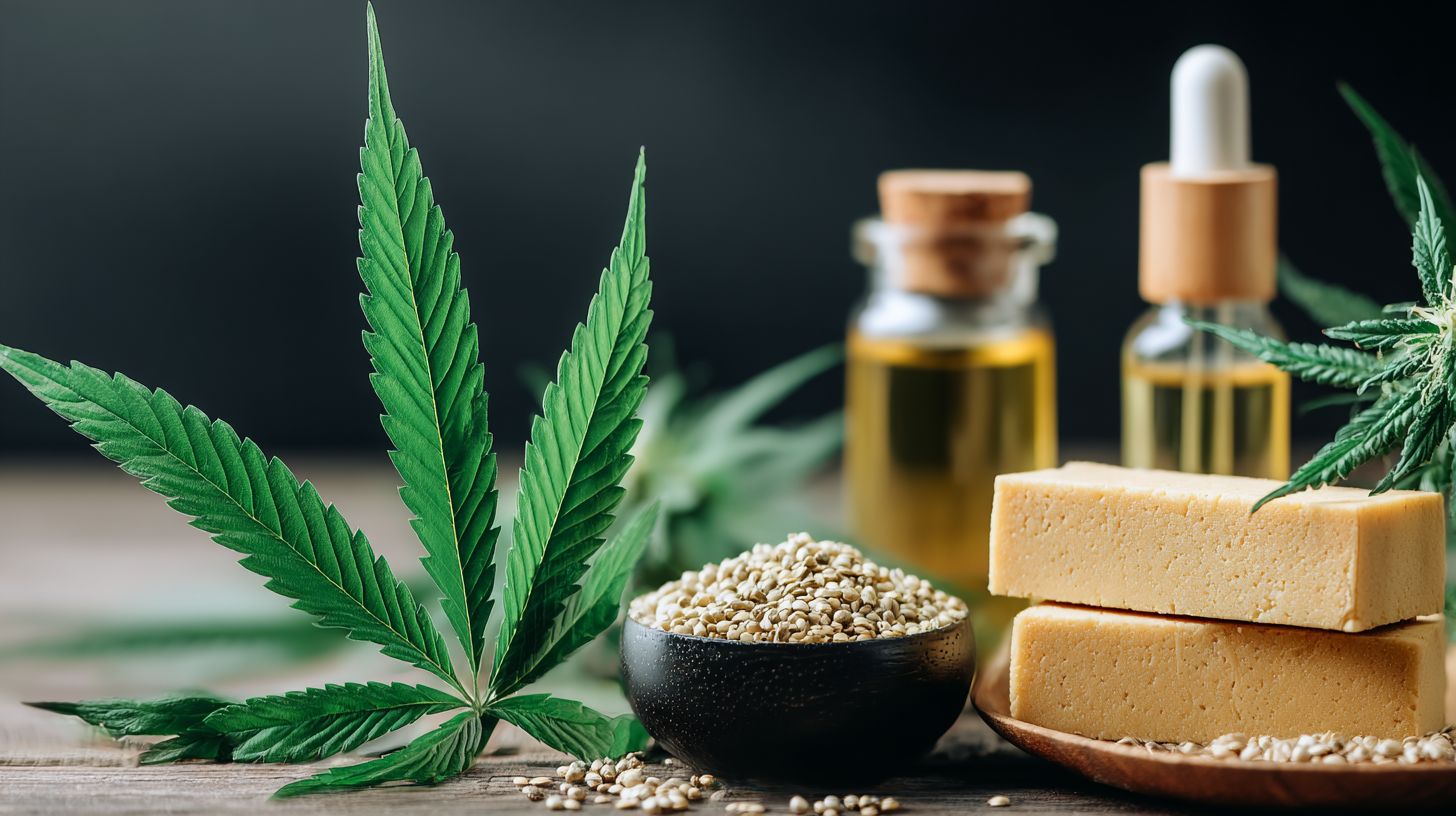
When the 3 p.m. slump hits, a hemp energy bite offers a satisfying crunch without the sugar crash. These no-bake snacks come together in minutes using simple pantry staples. Hemp hearts bring a nutty flavor and a serious protein boost to every batch.
The classic energy ball formula is easy to memorize. Combine one cup of pitted dates, one cup of rolled oats, and a half cup of your favorite nut butter in a food processor. Add a quarter cup of shelled hemp seeds and pulse until the mixture holds together when pressed.
Roll the mixture into small balls and refrigerate for about 30 minutes. No oven required, no complicated steps, just a quick stir and roll. Each bite delivers plant-based protein, healthy fats, and fiber to keep you full between meals.
Customize your base recipe with mix-ins that suit your taste. Try dark chocolate chips, dried cherries, shredded coconut, or a sprinkle of cinnamon. For a spicy kick, add a pinch of ginger or cardamom to the food processor before blending.
Homemade granola with hemp seeds is another quick win. Toss rolled oats with a few tablespoons of hemp oil, maple syrup, and your favorite nuts. Spread on a baking sheet and toast at 300 degreesF for 20 minutes, stirring halfway through.
Simple hemp crackers require just three ingredients. Mix hemp flour with water and a pinch of salt, then roll the dough thin and score it into squares. Bake at 350 degreesF for 12 to 15 minutes until crisp, then serve with hummus or a hemp-based dip.
Keep a jar of these snacks on your desk or in your bag for busy days. They store well in an airtight container for up to a week, making them perfect for meal prep. The combination of omega-3 and omega-6 fatty acids supports steady energy without the crash.
10. Storing Hemp Products for Freshness
Ever opened a bag of hemp seeds to find a stale smell? Proper storage prevents that. Hemp seeds, hemp oil, and hemp flour are prone to rancidity because they are rich in unsaturated fats, including omega-3 and omega-6 fatty acids. Exposure to heat, light, and oxygen triggers oxidation, which ruins both flavor and nutritional value.
Myth: Hemp products last forever at room temperature. The reality is quite different. Shelled hemp seeds, also called hemp hearts, can go rancid in just a few weeks if left in a warm pantry. Reality: Refrigeration extends shelf life significantly. Cold temperatures slow down the oxidation process, keeping your ingredients fresh for months instead of weeks.
For best results, transfer hemp hearts and shelled hemp seeds into an airtight glass jar or container. Store them in the refrigerator or freezer. Hemp oil, especially cold-pressed and unrefined varieties, should always live in a cool, dark place, preferably the fridge. Hemp flour also benefits from refrigeration to protect its delicate fats and maintain its green color.
Watch for signs of spoilage before cooking. A bitter or paint-like smell and an off, sharp taste are clear red flags. Fresh hemp seeds have a mild, nutty flavor and a soft crunch. If the texture turns greasy or the aroma becomes unpleasant, discard the product immediately. Proper storage keeps your hemp ingredients ready for smoothies, salads, and baking.
Plan your purchases around your actual usage. Hemp seeds last about 1 to 2 months at room temperature, but they stay fresh for up to a year in the freezer. Hemp oil keeps for roughly 3 to 6 months when refrigerated. Label your containers with purchase dates and always use clean, dry spoons to avoid introducing moisture or bacteria into the jar.
Frequently Asked Questions
Does Cooking With Hemp mean I can get high from my food?
No, absolutely not. Cooking With Hemp using standard hemp seeds, hemp hearts, or hemp protein powder will not produce any psychoactive effects. These parts of the plant contain only trace amounts of THC (typically below 0.3%), far too little to cause a “high.” However, if you are cooking with hemp flower or hemp extracts that are specifically labeled as containing delta-8 or delta-9 THC, that’s a different story-those are psychoactive. For everyday culinary use, stick to the seeds and oil for nutrition without intoxication.
What is the best way to use hemp hearts in Cooking With Hemp without them turning bitter?
The key is to avoid high, dry heat. Hemp hearts (shelled seeds) are rich in delicate polyunsaturated fats that oxidize quickly when toasted or fried, which creates a bitter, fishy taste. For successful Cooking With Hemp, add hemp hearts at the end of cooking-sprinkle them over oatmeal, stir them into pesto after blending, or fold them into yogurt and smoothies. If you must heat them, do so gently and briefly, like warming them in a sauce for under a minute. Their mild, nutty flavor shines best when treated as a finishing ingredient, not a cooking base.
Can I substitute hemp flour for regular wheat flour in baking recipes, and how does that change Cooking With Hemp?
You can substitute, but never 1:1. Hemp flour is gluten-free, very high in fiber, and absorbs much more liquid than wheat flour. In Cooking With Hemp, a good rule is to replace only 10-25% of the total flour in a recipe with hemp flour, then add an extra 1-2 tablespoons of liquid per cup of hemp flour used. Because hemp flour has a slightly earthy, green flavor, it pairs best with chocolate, banana, or spiced baked goods. For a lighter texture, combine hemp flour with almond or oat flour, and always sift it to avoid clumping.
What is the ideal temperature to use hemp seed oil in Cooking With Hemp, and can I fry with it?
Do not fry with hemp seed oil. Its smoke point is very low-around 330 degreesF (165 degreesC)-so high-heat frying will degrade its beneficial omega-3 fatty acids and produce harmful compounds. For Cooking With Hemp, reserve hemp seed oil for cold or very low-heat applications: drizzle it over finished pasta, whisk into salad dressings, blend into hummus, or swirl into soups just before serving. If you need a high-heat oil, use avocado or refined coconut oil, then finish the dish with a splash of hemp oil for its nutty, grassy flavor and nutritional boost.
Are there any special storage rules for hemp ingredients to keep them fresh during Cooking With Hemp?
Yes, and this is critical because hemp seeds and oil are prone to rancidity. Keep hemp hearts, hemp flour, and hemp seed oil in airtight, opaque containers in the refrigerator or freezer-not the pantry. In Cooking With Hemp, cold storage extends shelf life from a few weeks to several months. Always smell before using: fresh hemp has a pleasant, nutty aroma; if it smells like old paint or bitter plastic, it’s rancid and should be discarded. Also, never leave hemp oil near a hot stove or in direct sunlight, as heat and light accelerate oxidation.
What are the best savory dishes to start with when I’m new to Cooking With Hemp?
Begin with dishes that have strong, complementary flavors to mask or enhance hemp’s earthy profile. Excellent starting points for Cooking With Hemp include creamy mushroom risotto (stir in hemp hearts at the end), roasted vegetable grain bowls (top with hemp hearts and a lemon-hemp oil dressing), and homemade veggie burgers (mix hemp hearts into the patty mixture). Another easy win is hemp pesto-blend basil, garlic, parmesan, olive oil, and cup hemp hearts instead of pine nuts. These recipes let you taste the subtle nuttiness without overwhelming your palate, and they all benefit from hemp’s creamy, protein-rich texture.
If you’re researching CBD topicals, this guide explains how texture and ingredients can affect the choice of a CBD topical. For stronger products, this article looks at what to evaluate before choosing a high-potency CBD cream. You can also review this practical overview of CBD topical options for older adults dealing with joint discomfort.