
The image of stretching as a rigid, high-impact routine is fading, replaced by a smarter, gentler approach tailored for longevity. Modern seniors are redefining wellness, using targeted techniques to enhance mobility, manage joint pain, and maintain independence. This exploration moves beyond basic flexibility, covering adaptive tools like resistance bands, the safety of chair-assisted poses, and the integration of breathwork. We also delve into how technology-from guided apps to online classes-provides structure and motivation, ensuring that every stretch supports a vibrant, active lifestyle.
1. Morning Mobility Routines to Start the Day
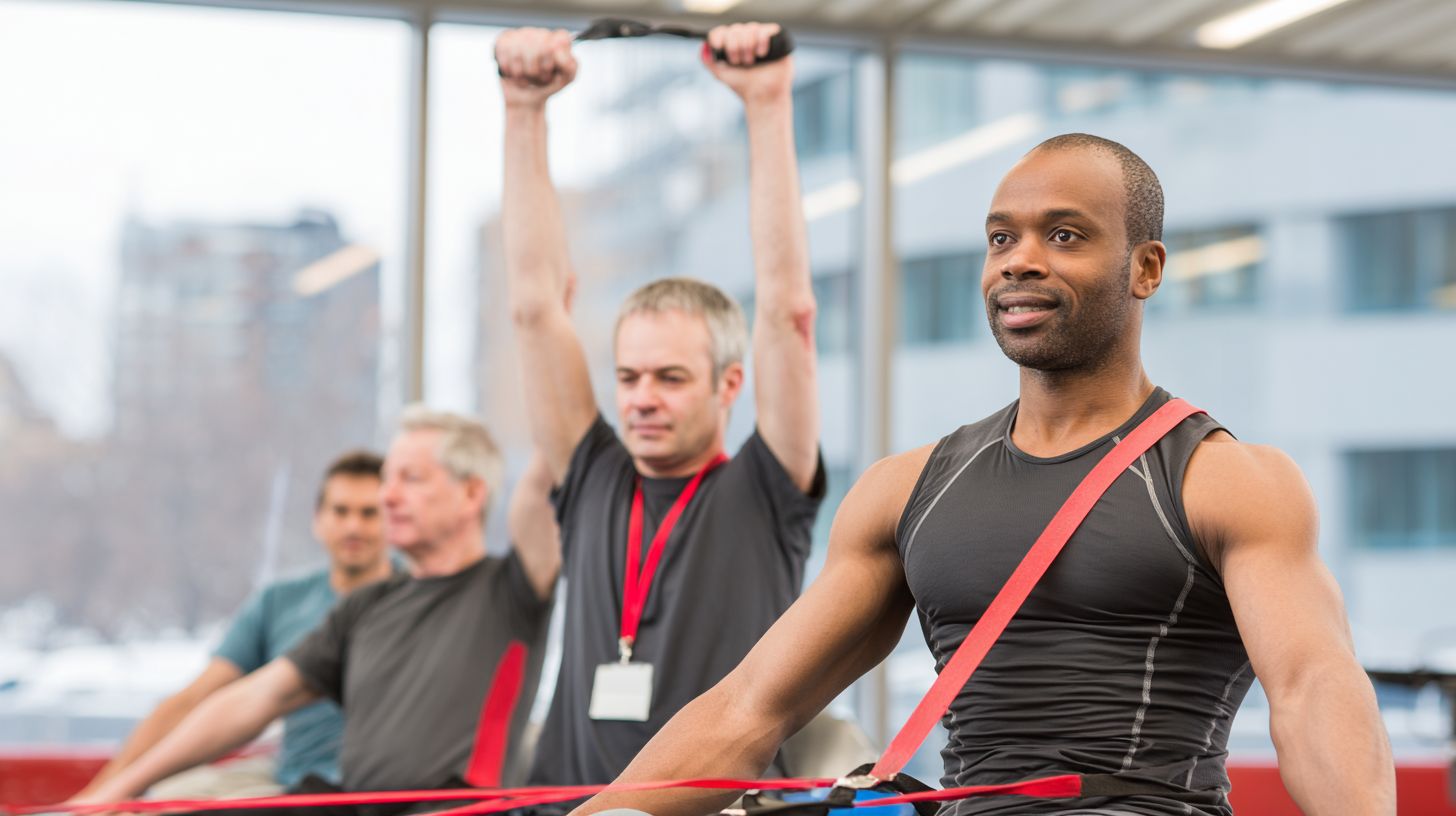
Have you ever woken up feeling like your joints need a full oil change before you can even think about coffee? That familiar morning stiffness happens because synovial fluid, which lubricates your joints, thickens overnight while you rest. A gentle 5-minute stretching routine performed in bed can get that fluid moving again and ease muscle stiffness before your feet even touch the floor.
Start with neck tilts while still lying on your back. Slowly bring your right ear toward your right shoulder, hold for 10 seconds, then return to center. Repeat on the left side. Follow this with shoulder rolls: roll both shoulders forward in slow circles five times, then reverse direction. These two moves target the upper body tension that builds up from sleeping in one position.
Next, move to the edge of the bed for hip flexor stretches. Sit upright with both feet flat on the floor. Extend one leg straight out, keeping the other foot planted, and gently lean forward from your hips. Hold for 10 seconds, then switch legs. This sequence directly addresses the hip flexors that tighten from prolonged sitting and helps with balance improvement throughout the day.
For those with limited mobility, every move has a modified variation. If lying flat causes discomfort, prop yourself up with pillows. If reaching your ear to your shoulder is too far, simply turn your head side to side. The goal is pain-free movement, not perfection. This routine reduces stiffness before getting up, making the transition from bed to standing far safer and more comfortable. It also improves blood circulation, which supports joint mobility and prepares your body for daily living tasks like reaching for a cup or bending to put on socks.
2. Using Resistance Bands for Gentle Support
Instead of relying on heavy weights, resistance bands offer a low-impact way to build strength and flexibility without straining fragile joints. These portable tools provide variable tension, meaning the harder you pull, the more resistance you feel. For seniors, this allows for a gentle exercise approach that adapts naturally to individual strength levels.
Bands are particularly useful for joint mobility work because they encourage smooth, controlled movements rather than jerky motions. They also support balance improvement by allowing you to stabilize your core while stretching. The key is selecting the right type of band for your specific needs and fitness goals.
| Band Type | Best For | Pros | Cons |
|---|---|---|---|
| Flat Bands | General stretching and upper body work | Easy to grip, versatile length, inexpensive | Can roll or slip during use, requires hand strength |
| Loop Bands | Lower body and hip work, balance exercises | Stays in place on legs, great for hip flexors, no handles needed | Limited range for arm stretches, may feel restrictive |
| Tube Bands with Handles | Seated rows, chest openers, guided movement | Comfortable grip, feels like gym equipment, good for posture correction | Handles can be bulky, slightly higher cost |
For beginners, flat bands are often the easiest starting point. Loop bands work wonders for hamstring stretch variations and hip mobility. Tube bands with handles provide extra confidence for those with arthritis or grip issues.
Start with a light resistance level and focus on form over force. Safety cues matter more than how far you can pull. Always check the band for small tears or weak spots before each session, and never stretch a band more than twice its resting length.
Quick-Start Band Routine for Seniors
Begin with a seated row to target the upper back and improve posture. Sit tall on a chair, loop the band around your feet, and hold one end in each hand. Pull your elbows back while squeezing your shoulder blades, then slowly release. This movement supports daily living tasks like reaching overhead or pulling open heavy doors.
Next, try a hamstring stretch lying on your back. Loop a band around the ball of one foot and gently straighten your leg toward the ceiling. Keep your hips on the floor and feel a mild pull along the back of your thigh. This helps with muscle stiffness and improves range of motion for bending to tie shoes.
Finish with a chest opener to counter rounded shoulders. Hold the band behind your back with both hands and slowly lift your arms away from your body. Keep your shoulders relaxed and breathe deeply. This stretch supports breathing techniques and reduces tension in the upper body.
Bands also serve as excellent tools for standing support during balance work. Anchor a loop band to a sturdy chair leg and step into it for gentle side steps. This builds proprioception and gait stability without the fear of falling. The band provides just enough tension to engage your core while keeping you grounded.
Always move slowly and never bounce during band stretches. If you feel sharp pain, stop immediately. For seniors with osteoporosis or chronic condition concerns, consult a physical therapist before starting. The goal is pain relief and active aging, not pushing past your limits.
3. Chair-Assisted Stretching for Balance and Safety
When every stretch feels like a balance challenge, a sturdy chair can become your best ally for staying upright and confident. A chair provides a stable base that allows seniors to focus on flexibility without the fear of toppling over. This approach transforms a simple piece of furniture into a reliable tool for fall prevention and balance improvement.
However, using a chair incorrectly can introduce new risks. Many seniors unknowingly create unsafe conditions by making small but significant errors in their setup. Understanding these common mistakes is the first step toward a safer stretching routine that supports active aging and joint mobility.
Here are the five most common mistakes seniors make when stretching with a chair, along with the reasons they occur and the corrected approach for each:
- Chair sliding on the floor. This happens when the chair lacks rubber grips or the floor is smooth. The movement during a stretch can cause the chair to shift, creating a serious hazard. Always use a chair with rubber tips on the legs or place it against a wall to prevent any sliding.
- Leaning too far forward. Seniors often bend at the waist to increase a stretch, which shifts the center of gravity dangerously. This usually occurs when trying to reach the toes or floor. Instead, keep the back straight and hinge from the hips only as far as comfortable, using the chair seat for support.
- Using an unstable chair. Folding chairs, rolling office chairs, or stools without back support are common culprits. These offer little stability and can tip easily. Always select a sturdy chair with four legs that are planted firmly on the ground and a flat, supportive seat.
- Gripping the chair too tightly. White-knuckling the seat creates tension in the shoulders and neck, which defeats the purpose of a relaxing stretch. This often stems from feeling unsteady. Use a light touch for balance, not for bearing weight, and keep the shoulders relaxed and down.
- Holding the breath. Many seniors unconsciously hold their breath when concentrating on a stretch. This increases blood pressure and creates muscle tension. Always pair each movement with a slow exhale to encourage muscle relaxation and better blood circulation.
To correct these issues, start with a seated spinal twist. Sit tall with both feet flat on the floor. Place your left hand on your right knee and gently rotate your torso to the right, looking over your shoulder. Hold for three breaths, then switch sides. This improves range of motion in the spine and helps with posture correction.
Next, try a towel stretch for the hamstrings. Sit on the edge of the chair with one leg extended forward and heel on the floor. Loop a towel around the ball of your foot and gently pull until you feel a mild stretch behind the thigh. This safe method relieves muscle stiffness and supports knee pain management without compromising balance.
Finally, practice standing hip flexor stretches while holding the chair back for support. This improves gait stability and makes daily living tasks like climbing stairs easier. Proper chair use turns a simple prop into a powerful tool for gentle exercise and sciatica relief, enhancing both safety and functional fitness.
4. Incorporating Breathing Techniques with Each Stretch
Did you know that the way you breathe during a stretch can double its effectiveness for both your muscles and your mind? Many seniors overlook this simple tool, yet it transforms a basic stretching routine into a powerful session for pain relief and relaxation. Your breath is always with you, making it the most accessible equipment in your home workout arsenal. Why breathe deeply during stretching? Shallow breathing keeps your body in a mild state of tension, which works against your flexibility goals. Deep breathing signals your nervous system to relax, allowing muscles to release their grip. This is especially helpful for managing arthritis pain and reducing muscle stiffness in the hips, back, and shoulders. Can I improve my breathing to reduce pain? Yes, absolutely. Practicing diaphragmatic breathing trains your body to use its full lung capacity, which improves blood circulation and oxygen delivery to tight tissues. Over time, this technique can lower your perception of discomfort during daily living tasks like bending to tie shoes or reaching overhead.
The Diaphragmatic Breathing Method
To begin, place one hand on your belly and one on your chest. Inhale slowly through your nose, feeling your belly rise like a balloon while your chest stays relatively still. Exhale gently through your mouth, letting your belly fall naturally. This pattern engages your core and promotes a calm, focused state. A simple rhythm that works well for seniors is inhaling for 4 counts and exhaling for 6 counts. The longer exhale activates your relaxation response, which helps reduce overexertion risk during stretching. Practice this for a few minutes while seated before you even start moving.
Coordinating Breath with Movement
The key is to pair your breath with each phase of the stretch. Use your inhale to prepare the body and your exhale to deepen the movement. This creates a smooth, mindful flow that improves joint mobility and range of motion without forcing anything. For example, during a hamstring stretch, inhale as you sit tall and lengthen your spine. Then exhale as you gently hinge forward, allowing the stretch to deepen naturally. This breath-movement connection also supports balance improvement and posture correction as you move through each pose.
A 5-Minute Mindful Stretching Session
Try this simple script to combine breathing with gentle movement. Find a chair with good support and wear comfortable clothing. Keep a water bottle nearby for hydration during exercise. Start seated with your feet flat on the floor. Inhale for 4 counts, lifting your arms overhead. Exhale for 6 counts, lowering your arms and relaxing your shoulders. Repeat this shoulder roll motion 3 times to release upper body tension. Next, perform a neck tilt. Inhale as you sit tall, exhale as you slowly drop your right ear toward your right shoulder. Hold for one full breath cycle, then switch sides. This helps with neck stiffness and improves your visual focus for better coordination. Finish with a seated spinal twist. Inhale to lengthen your spine, exhale to rotate gently to the right, placing your left hand on your right knee. Hold for two breath cycles, then repeat on the left side. This movement supports fascia release and keeps your back flexible for chair yoga and other activities. Remember to keep all movements pain-free and within your comfort zone. If you feel sharp discomfort, ease off and reduce the intensity level. This mindful approach to stretching frequency and duration will help you build a sustainable practice that supports active aging and independence for years to come.
5. Following Online Video Classes Designed for Seniors
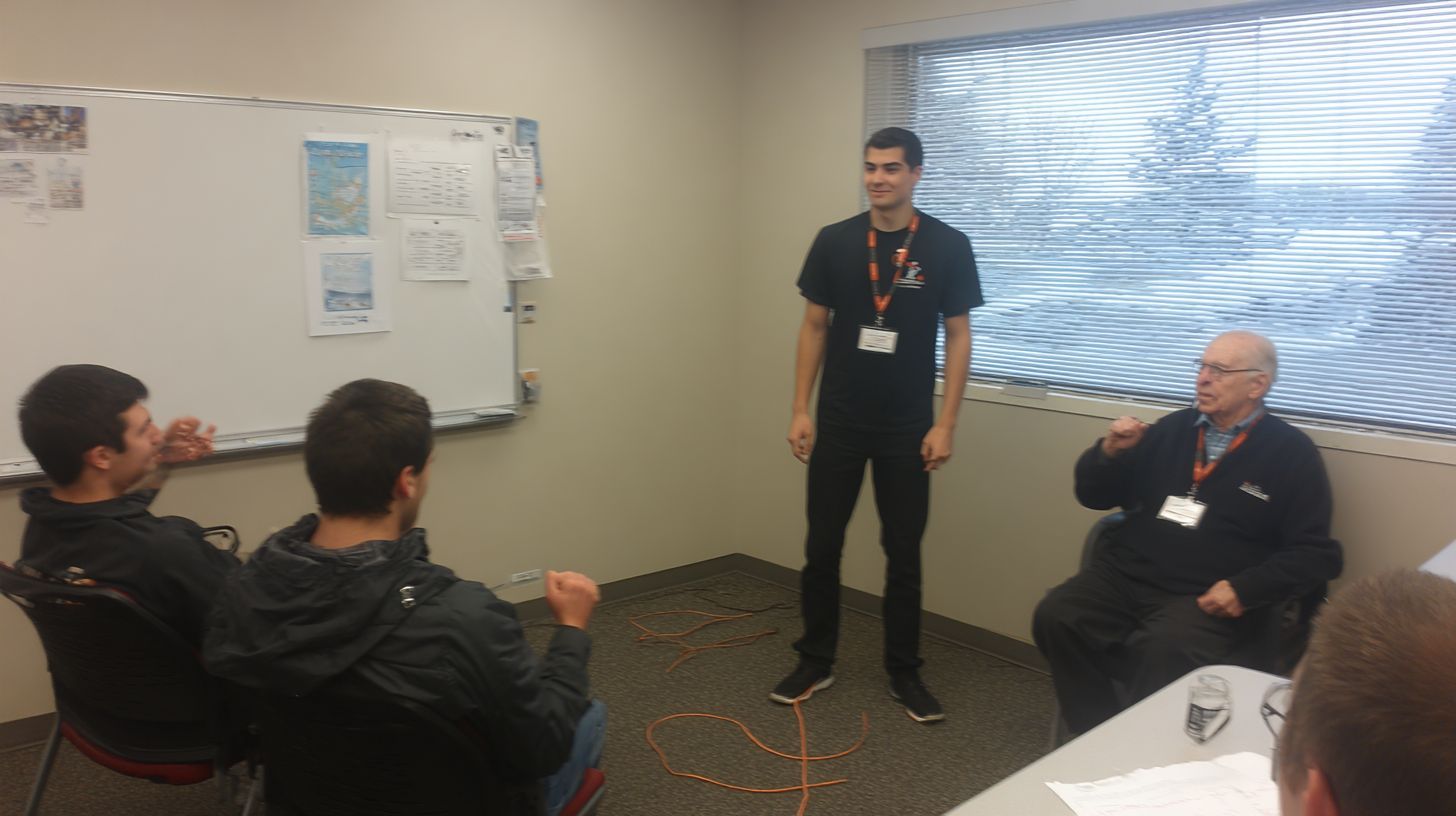
Picture this: your living room transformed into a personal studio where an instructor guides you through gentle movements, all without leaving home. That is exactly what happened for Margaret, a 72-year-old retiree who spent months watching online fitness videos with skepticism. She worried about complicated technology and feared looking foolish during a live session.
Her turning point came when her local senior center announced a weekly virtual yoga class. A friendly staff member walked her through the Zoom setup over the phone, easing her initial tech hesitancy. After one session, Margaret realized the instructor demonstrated every pose slowly and offered chair variations for balance support. She now logs in every Tuesday morning with the same group of familiar faces, finding motivation in their shared commitment.
When choosing an online class, look for certified instructors who specialize in senior fitness. The best programs emphasize low-impact movements, clear verbal cues, and modifications for arthritis, knee pain, or back pain. Avoid classes that move too quickly or require complex transitions between poses.
For a safe home setup, place your exercise mat on a non-slip surface near a sturdy chair or wall for standing support. Keep a water bottle within reach and ensure your device is at eye level so you can see the instructor without craning your neck. Many seniors find that using a tablet or laptop on a countertop works better than a phone screen.
The social element matters as much as the physical movement. Group classes offered through senior centers or community programs create accountability and reduce feelings of isolation. Participants often arrive early to chat, sharing tips about managing muscle stiffness or celebrating small wins in their stretching routine. This blend of gentle exercise and social engagement supports both joint mobility and emotional well-being.
6. Stretching to Relieve Joint Stiffness from Arthritis
For those living with arthritis, a gentle stretching routine isn’t just about flexibility-it’s a daily tool for managing pain and preserving independence. Many seniors hesitate to move stiff joints, fearing that stretching will worsen their condition. The truth is quite the opposite. Gentle, controlled movement can actually reduce stiffness and improve joint mobility over time.
Let’s clear up some common myths. First, stretching does not make arthritis worse when done correctly. Second, you do not need to wait until you are completely pain-free to stretch. Pain-free movement within your current range of motion is both safe and beneficial. The key is to avoid pushing into sharp or severe pain, which signals tissue strain rather than therapeutic release.
Stretching stimulates the production of synovial fluid, the body’s natural joint lubricant. This fluid nourishes cartilage and reduces friction during movement. Think of it as oiling a rusty hinge: slow, deliberate motion helps the joint move more smoothly with less discomfort. Regular gentle exercise also supports blood circulation, which brings nutrients to the joint area and helps ease muscle stiffness.
For arthritis management, consistency matters more than intensity. A short daily routine is far more effective than a long session done once a week. Start with just five minutes and gradually build up as your joints respond positively. Always warm up with light movement, such as walking around the room, before attempting deeper stretches.
Common Arthritis Stretching Myths
- Myth: Stretching damages arthritic joints. Fact: Slow, gentle stretching within your comfort zone actually supports joint health and reduces stiffness.
- Myth: You should only stretch when pain-free. Fact: Mild discomfort from stiffness is normal. You only need to avoid sharp, shooting, or severe pain.
- Myth: If it hurts, it’s working. Fact: For arthritis, pain is a signal to back off. Stretching should feel like a mild pull, never a painful strain.
- Myth: Stretching is useless once joints are damaged. Fact: Even with joint changes, stretching preserves the range of motion you still have and helps prevent further decline.
Practical Stretches for Hands, Knees, and Hips
For hand arthritis, try gentle finger bends. Open your palm flat, then slowly curl your fingers into a loose fist. Hold for five seconds, then straighten. Repeat with each hand. This simple movement helps maintain grip strength for daily living tasks like holding utensils or opening jars.
For knee stiffness, sit in a sturdy chair with feet flat on the floor. Slowly extend one leg straight out, hold for a few seconds, then lower it. This seated leg extension strengthens the quadriceps and improves knee joint mobility without putting weight on the joint. Perform eight to ten repetitions per leg.
For hip flexibility, try the seated hip march. While sitting tall, lift one knee toward your chest as far as comfortable, then lower it. Alternate legs. This movement addresses hip flexors, which often tighten with prolonged sitting. Improved hip mobility supports gait stability and makes stair climbing easier.
Sample Arthritis-Friendly Morning Routine
Begin with neck tilts: gently lower your right ear toward your right shoulder, hold for 15 seconds, then switch sides. Follow with shoulder rolls, circling your shoulders backward five times and forward five times. These warm-up exercises prepare the upper body for movement.
Move to the chair yoga sequence for the lower body. Perform ten seated leg extensions, then ten hip marches. Finish with a towel stretch for the hamstrings: loop a towel around your foot, gently pull your leg straight, and hold for 20 seconds. This cool-down stretch helps maintain hamstring flexibility without straining the lower back.
Remember to breathe deeply throughout each movement. Slow, rhythmic breathing promotes relaxation and reduces the tendency to tense up. If a particular stretch causes sharp pain, stop and modify it. Consider using a wall for balance support or an exercise mat for comfort. Over time, this gentle approach can significantly improve joint mobility and make daily living tasks feel less challenging.
7. Using Smartphone Apps for Guided Reminders and Progress
Imagine having a personal stretching coach in your pocket that nudges you to move every few hours, that’s the power of modern smartphone apps. These tools turn a standard stretching routine into an interactive experience with timers, visual guides, and gentle alerts. For seniors, the best apps focus on senior flexibility and joint mobility with simple, large-button interfaces.
Setting up an app usually takes less than five minutes. You pick your comfort level, choose from seated or standing options, and set your preferred times for reminders. The notification acts as a cue to break up sedentary behavior, which is essential for fall prevention and gait stability. A quick two-minute session can reduce muscle stiffness and improve blood circulation without leaving your chair.
Here are five highly rated apps that work well for older adults:
- Stretch It: Offers full-body routines with animated guides. It includes a daily plan builder and gentle audio cues, making it easy to follow along without squinting at the screen.
- Senior Fitness: Designed specifically for active aging, this app features chair yoga and balance exercises. It uses large text and high-contrast colors for easy readability.
- Yoga for Seniors: Focuses on modified poses and seated variations. Each session includes breathing techniques and mindfulness movement to support relaxation and posture correction.
- Relax & Stretch: Provides targeted routines for back pain, knee pain, and hip flexors. It works offline, so you can use it in a park or at a community center without Wi-Fi.
- Pocket Yoga: Uses illustrated pose cards instead of video, which helps seniors move at their own pace. It tracks progress over time and allows for gradual progression.
When choosing an app, prioritize large text, a simple interface, and offline capabilities. Many seniors prefer apps that do not require an account or a subscription. Start with the free version of an app to test the layout. Look for settings that let you adjust the reminder frequency, so you are not overwhelmed by constant alerts.
Use the progress tracker to log your range of motion and stretching frequency each week. This visual record helps you notice small improvements in balance improvement and muscle strength. Set a daily reminder for the same time each morning to build a consistent habit. Over time, these gentle prompts support exercise adherence and make daily living tasks like bending to tie shoes or reaching overhead feel easier.
8. Partner Stretching with a Spouse or Caregiver
Stretching doesn’t have to be a solo activity-partnering up can turn a routine into a bonding experience while making each stretch safer and more effective. Consider the case of Margaret and Roy, a couple in their late 70s who introduced partner stretching into their evening routine after Roy’s knee replacement surgery. What began as a way to support Roy’s physical therapy quickly became their favorite part of the day.
At first, the couple struggled to communicate their comfort levels. Margaret would pull too hard on Roy’s leg, and Roy would wince instead of speaking up. They learned to use simple verbal cues like “more” and “ease off,” which transformed their sessions into a practice of trust and attentiveness. Now, they spend 15 minutes each night on their exercise mat, alternating between seated variations and standing support stretches.
The key to their success was starting slow and using a towel as a buffer for grip. They discovered that assisted stretching allowed Roy to achieve a deeper range of motion than he could alone, while Margaret benefited from the gentle core engagement required to stabilize him. Their story shows that partner work is not about strength, but about safety cues and mutual awareness.
Beyond the physical gains, this shared activity has improved their mood enhancement and social engagement. They laugh more, argue less, and look forward to this quiet time together. For caregivers, this approach turns a duty into a meaningful connection, reducing feelings of isolation for both parties.
Here are three safe partner-assisted stretches that Margaret and Roy use, all designed for pain relief and joint mobility without straining fragile muscles.
- Seated Hamstring Pull: Both partners sit on the floor, facing each other with legs extended. Place a towel looped around the stretching partner’s foot. The partner holding the towel gently pulls while the stretcher keeps their back straight. Hold for 20 seconds. This targets hamstring stretch and muscle stiffness in the lower back.
- Back-to-Back Side Stretch: Sit back-to-back with knees bent and feet flat. One partner raises their left arm overhead while the other leans right, creating a gentle spinal twist effect. Alternate sides. This improves posture correction and opens the hip flexors.
- Standing Shoulder Support: One partner stands behind the other, placing hands on their shoulders. The front partner slowly rolls their shoulders forward and back while the back partner provides gentle resistance. This is excellent for shoulder roll mobility and neck tilt relief after long periods of sitting.
Safety is paramount in any partner work. Never pull a limb into pain, and always communicate clearly before increasing pressure. Use a chair for balance improvement if either partner feels unsteady. Stop immediately if you feel a sharp sensation, as overexertion risk increases when two people are involved.
The psychological benefits of this shared practice are just as important as the physical ones. Research suggests that synchronized movement with a partner can enhance mindfulness movement and deepen emotional bonds. For seniors, this type of gentle exercise supports active aging by making exercise adherence feel like a team effort rather than a chore.
Margaret notes that their evening stretching has improved Roy’s gait stability and her own balance exercises proficiency. More importantly, it has given them a shared language of care. Whether you stretch with a spouse, a sibling, or a paid caregiver, the routine becomes a group motivation tool that reinforces functional fitness for daily living tasks like getting up from a chair or bending to tie shoes.
9. Post-Walk Cool-Down Stretches for Muscle Recovery

After a brisk walk, your muscles are warm and responsive-making it the perfect moment to prevent next-day soreness with simple stretches. During walking, your calf muscles, hamstrings, and hip flexors work continuously to propel you forward. This repetitive motion creates muscle stiffness and tightness if you stop abruptly without a proper transition.
A cool-down allows your heart rate to decrease gradually rather than dropping suddenly. It also promotes blood circulation, which helps flush metabolic waste from your tissues and delivers fresh oxygen for repair. Taking five to ten minutes for cool-down stretches supports joint mobility and reduces the risk of overexertion risk in the hours following your walk.
For seniors, this recovery window is especially valuable. Gentle stretching after activity helps maintain range of motion in the ankles, knees, and hips, which directly supports gait stability and fall prevention. It also eases the transition into rest, making daily living tasks like stair climbing or getting up from a chair feel less challenging.
The following routine uses a wall or sturdy chair for standing support, so you can stretch safely without worrying about balance. Hold each position for 20 to 30 seconds, breathe steadily, and never push into pain. Pain-free movement is the guiding rule for every stretch in this sequence.
Standing calf stretch. Stand facing a wall with both hands placed at shoulder height. Step your right foot back, keeping the heel flat on the floor and the back leg straight. Bend your front knee slightly until you feel a gentle pull along the back of your lower leg. Hold for 25 seconds, then switch sides.
This stretch targets the gastrocnemius muscle, which works hard during every walking step. Keeping this area flexible supports walking endurance and reduces strain on the Achilles tendon. Use the wall for balance rather than leaning your full body weight into it.
Wall hamstring stretch. Lie on your back near a doorframe or wall opening. Extend your right leg up against the wall, keeping the left leg flat on the floor. You should feel a comfortable stretch along the back of your raised thigh. Hold for 30 seconds, then repeat with the left leg.
This position is excellent for seniors because it allows you to stretch hamstring stretch targets while lying down, which removes any balance concerns. Tight hamstrings contribute to back pain and poor posture, so regular attention here supports posture correction and comfortable bending to tie shoes.
Quadriceps stretch. Stand next to a chair or against a wall for support with your left hand. Bend your right knee, bringing your heel toward your buttocks. Grasp your ankle with your right hand and gently pull until you feel a stretch down the front of your thigh. Hold for 20 seconds, then switch sides.
Your quadriceps engage constantly during walking, especially on inclines or uneven terrain. Keeping these muscles flexible improves knee pain management and supports balance improvement. If grabbing your ankle is difficult, loop a towel around your foot and hold both ends for a towel stretch variation.
Hip flexor lunge. Hold the back of a sturdy chair with both hands. Step your right foot forward into a lunge position, keeping your left knee gently lowered toward the floor. Tuck your pelvis slightly under to deepen the stretch at the front of your left hip. Hold for 25 seconds, then switch legs.
Hip flexors tighten from prolonged sitting and walking alike. Releasing these muscles improves range of motion in your stride and supports active aging. This stretch also aids arthritis management in the hip joint by keeping synovial fluid moving through the area.
Perform this entire routine after every walk, even short ones. Consistency matters more than intensity, and a regular stretching routine of just a few minutes supports functional fitness well into later years. Your muscles will feel looser, your joints more mobile, and your next walk will start with greater ease.
10. Tracking Flexibility Gains to Stay Motivated
Motivation often fades when progress goes unnoticed, but a simple tracking log can turn subtle improvements into powerful inspiration. For seniors, flexibility gains happen slowly, sometimes over weeks. A written record makes those tiny changes visible and real.
Choose a tracking method that feels comfortable and easy to maintain. The best option is the one you will actually use after each stretching session. Below is a simple guide to help you decide which approach fits your lifestyle.
Paper diary: A small notebook kept near your exercise mat works well. It requires no technology, no charging, and no learning curve. Many seniors find writing by hand feels more personal and satisfying.
Smartphone app: Apps can store history and show progress charts automatically. They are helpful if you already use a phone daily and enjoy visual feedback. Look for apps with large text and simple interfaces designed for older users.
Wearable tracker: Devices like smartwatches can log activity and remind you to stretch. They are useful for tracking daily movement patterns and step counts. However, wearables rarely measure flexibility directly, so you still need a manual log for stretch-specific notes.
Here is a decision tree to guide your choice:
- Do you prefer writing by hand and keeping things simple? Choose a paper diary.
- Do you enjoy seeing charts and automatic reminders on a phone? Choose an app.
- Do you already wear a smartwatch for health tracking? Use its reminder features plus a paper log for flexibility notes.
- Do you dislike screens and gadgets entirely? Stick with a paper diary and a pencil.
Once you pick a method, create a simple weekly log. Consistency matters more than perfection. A basic template includes fields for the date, the type of stretch, how long you held it, and how your body felt.
| Day | Stretch Type | Duration | Pain Level (1-10) | Notes |
|---|---|---|---|---|
| Monday | Hamstring stretch (seated) | 30 seconds x 2 | 3 | Felt tight behind knees |
| Wednesday | Shoulder roll | 10 rolls each way | 1 | Easy, no discomfort |
| Friday | Chair yoga spinal twist | 20 seconds each side | 2 | Reached a bit further today |
Use a pain scale where 0 means no discomfort and 10 means severe pain. Stretching should never cause sharp pain. A mild pulling sensation is normal, but any joint pain or numbness means you should ease off and adjust the position.
Practical tests help you measure real-world gains beyond the log. These simple checks connect your stretching routine to daily living tasks. Try them once every two weeks to see improvement.
- Toe touch test: Sit on the edge of a chair, extend one leg, and reach toward your toes. Note how far you can go without pain.
- Chair stand test: Stand up from a sturdy chair without using your hands. Track how smooth and easy the movement feels.
- Overhead reach: Raise both arms overhead and try to touch your ears with your upper arms. Notice if your fingers come closer together over time.
- Shoulder scratch test: Reach one hand over your shoulder and the other behind your back. See if your fingertips move closer to touching.
These tests reflect functional fitness, not just flexibility in isolation. Improved scores mean your stretching routine is supporting balance improvement, joint mobility, and range of motion. That translates to easier bending to tie shoes, reaching overhead, and getting up from a chair.
Celebrating small victories is essential for exercise adherence. When your fingertips reach one inch closer to your toes, that is progress worth acknowledging. When you stand from a chair with less effort, that is a win for active aging and independence.
Share your wins with a friend, family member, or stretching coach. Group motivation makes progress feel more meaningful. A simple comment like “I touched my knees today when I could only reach my shins last month” reinforces your commitment.
Tracking also helps you notice patterns related to muscle stiffness, arthritis management, or back pain. If a particular stretch always feels harder on certain days, you can adjust your routine or consult a physical therapist. The log becomes a communication tool for healthcare visits.
Remember that progress is rarely linear. Some weeks you may feel tighter due to weather, sleep quality, or sedentary behavior. That is normal and not a reason to stop. Review your log to see the bigger picture over several months.
Use gentle exercise principles and never push into pain. The goal is gradual progression, not dramatic overnight changes. Consistency over weeks and months builds tendon elasticity and synovial fluid production. Those physiological changes support joint health and fall prevention.
Your tracking method should feel like a helpful companion, not a chore. Whether you use a paper diary, an app, or a wearable tracker, the act of recording turns intention into habit. Over time, your log becomes a personal story of improved mobility, reduced stiffness, and greater confidence in daily living tasks.
Frequently Asked Questions
How Do Seniors Use Modern Wellness Stretching to Improve Balance and Prevent Falls?
Modern wellness stretching for seniors goes far beyond simple toe-touches. It integrates dynamic balance work, such as standing on a cushioned mat while performing slow, controlled arm reaches, and incorporates proprioceptive exercises that train the body’s awareness of joint position. Seniors use these routines to strengthen the ankle and hip stabilizers, which directly reduces fall risk. Many programs also include “perturbation” stretches-where a gentle, rhythmic push against a wall or resistance band challenges balance in a safe, supported way. By practicing How Do Seniors Use Modern Wellness Stretching in this functional manner, older adults build the reactive strength needed to catch themselves during a stumble, turning a daily routine into a powerful fall-prevention tool.
Can Modern Wellness Stretching Help Seniors with Chronic Joint Pain, and How Does It Differ from Traditional Stretching?
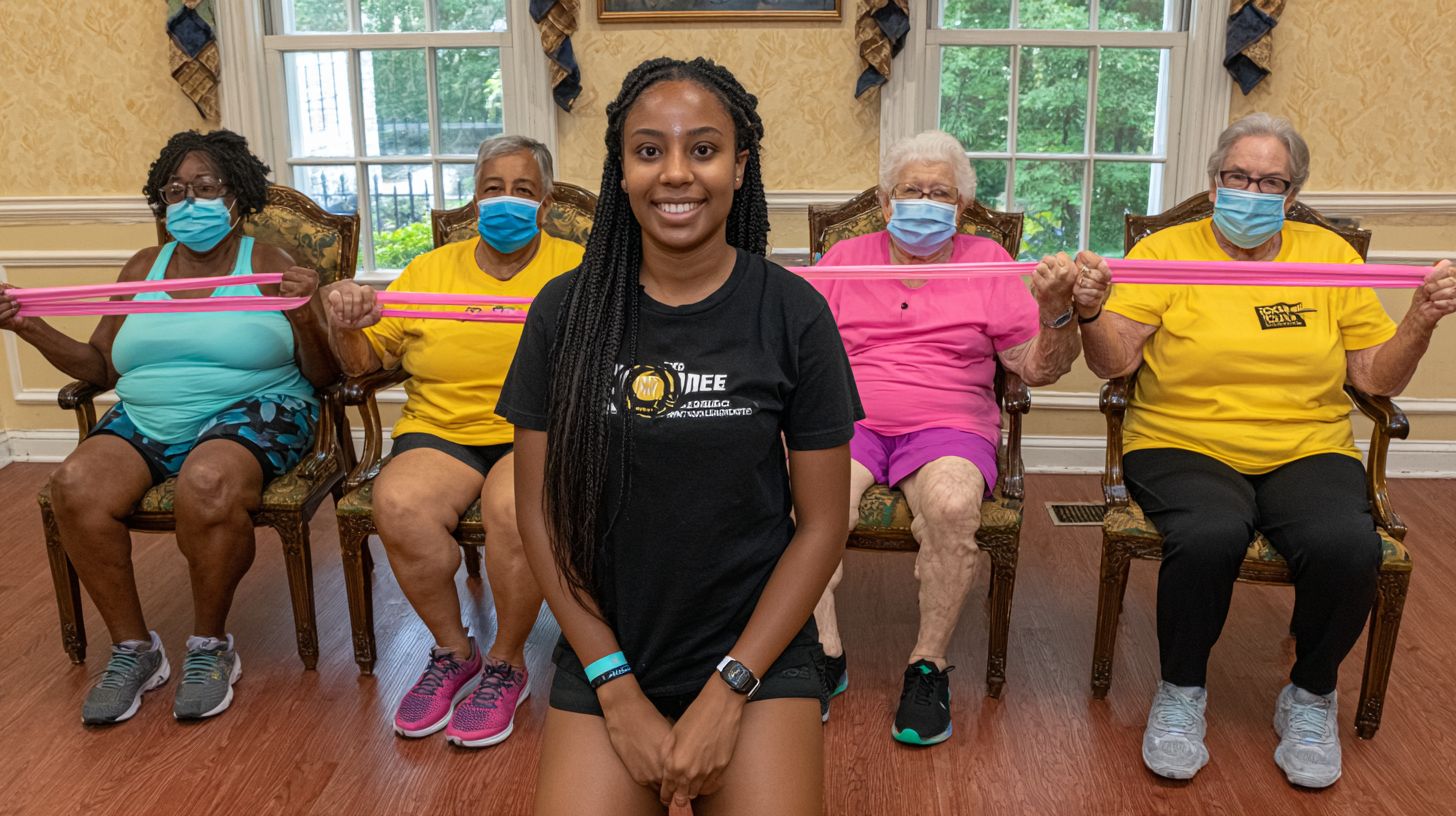
Yes, and the key difference lies in the “modern” approach: it emphasizes low-load, long-duration tension with active release techniques, rather than static, bouncing stretches. For seniors with arthritis or joint stiffness, modern wellness stretching uses tools like foam rollers, lacrosse balls, and stretch straps to gently mobilize fascia and improve synovial fluid circulation without compressing the joint. A typical session might involve a senior lying on their back using a strap to guide the leg into a hamstring stretch, while simultaneously performing subtle ankle pumps to keep the nervous system engaged. This method-often called “dynamic neuromuscular stretching”-helps reduce pain signals by resetting muscle tone, and it is exactly How Do Seniors Use Modern Wellness Stretching to regain pain-free range of motion in knees, hips, and shoulders.
How Do Seniors Use Modern Wellness Stretching to Improve Sleep Quality and Reduce Nighttime Cramping?
Seniors use modern wellness stretching as a pre-bedtime ritual that combines gentle myofascial release with parasympathetic nervous system activation. The routine typically includes slow, supported stretches like a reclined pigeon pose using a pillow, or a “legs-up-the-wall” position held for five minutes while practicing diaphragmatic breathing. Crucially, modern protocols avoid vigorous stretching before bed, instead using “tension-relief” sequences that target the calves, hamstrings, and plantar fascia-common cramp triggers. By incorporating a session of How Do Seniors Use Modern Wellness Stretching into their evening wind-down, seniors lower cortisol levels, reduce nocturnal muscle spasms, and promote deeper restorative sleep, as the sustained stretches signal the body to shift into a recovery state.
What Technology or Smart Devices Are Integrated into Modern Wellness Stretching for Seniors?
Modern wellness stretching now leverages wearable sensors and smart stretching mats that give real-time biofeedback on posture and muscle engagement. For example, a senior might use a Bluetooth-enabled resistance band that connects to a tablet app, showing a visual guide for a seated spinal twist while tracking their heart rate variability to ensure they stay in a calm, restorative zone. Some programs use smart yoga mats with pressure sensors that vibrate to correct alignment during a hip flexor stretch. Additionally, seniors use voice-activated smart speakers to cue guided stretching sessions, asking, “How Do Seniors Use Modern Wellness Stretching for my arthritic shoulder?” and receiving a customized, audio-paced routine. These technologies make stretching safer and more engaging, allowing seniors to track progress in flexibility metrics over time without needing a human trainer present.
Are There Modern Wellness Stretching Routines Specifically Designed for Seniors with Limited Mobility or Those in Wheelchairs?
Absolutely. Modern wellness stretching is highly adaptable, and for seniors with limited mobility, the focus shifts to “seated and supine micro-stretching.” This involves using a chair or bed as a base, with routines that target the neck, shoulders, wrists, and ankles through small, pain-free arcs of motion. A key technique is “contract-relax” stretching, where a senior presses their foot against a wall for six seconds, then relaxes into a deeper calf stretch-this is a proven way to increase flexibility even with minimal joint movement. For wheelchair users, How Do Seniors Use Modern Wellness Stretching often includes upper-body rotational stretches with a dowel, and “side-lying hip openers” performed on a mat with a caregiver’s assistance. These routines prioritize circulation, pressure-sore prevention, and maintaining the ability to transfer safely, proving that modern stretching is inclusive of every mobility level.
How Often and for How Long Should Seniors Perform Modern Wellness Stretching to See Real Results?
Research-backed guidelines for seniors suggest a frequency of 4-5 days per week, with each session lasting just 15-20 minutes, rather than longer, less frequent workouts. The “modern” twist is the concept of “micro-dosing”-breaking stretching into three five-minute mini-sessions throughout the day, such as after breakfast, after lunch, and before bed. This approach is far more effective for seniors because it prevents fatigue and leverages the body’s natural daily rhythm of joint lubrication. When seniors ask, “How Do Seniors Use Modern Wellness Stretching effectively?” the answer is consistency over intensity: a daily routine that includes two minutes of breathing-focused stretching, five minutes of dynamic mobility (like arm circles and leg swings), and eight minutes of static holds (30 seconds each) yields measurable improvements in flexibility and balance within six weeks. Importantly, seniors should always listen to their bodies and reduce frequency to every other day if they experience soreness, as recovery is a vital part of the modern method.
If you’re researching CBD topicals, this guide explains how texture and ingredients can affect the choice of a CBD topical. For stronger products, this article looks at what to evaluate before choosing a high-potency CBD cream. You can also review this practical overview of CBD topical options for older adults dealing with joint discomfort.