
Category: Evolving Ideas
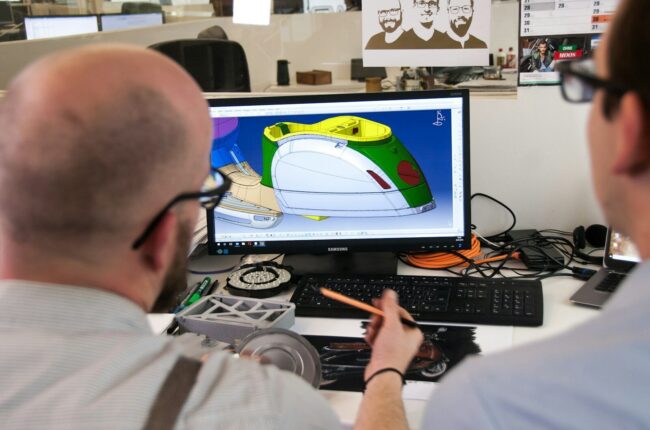
Innovation is not always about inventing an entirely new product. Sometimes it means taking a confusing category and making it easier for ordinary people to understand.
CBD topicals provide an interesting example. A shopper may encounter creams, salves, balms, gels, ointments, lotions, roll-ons, and sticks, all displayed within the same section of a store or website. Some products advertise a few hundred milligrams of CBD, while others display numbers in the thousands. One label emphasizes cooling ingredients, another highlights broad-spectrum hemp, and a third relies on phrases such as “maximum strength” without clearly explaining what that means.
Each product may make sense when viewed individually. The confusion appears when consumers try to compare them. This is where thoughtful product design becomes more than attractive packaging. Good design should help someone understand what a product is, how it differs from nearby options, and whether it fits the intended use.
Begin With the Decision a Customer Is Trying to Make
Product creators naturally think about formulas, manufacturing, sourcing, and branding. Customers usually begin somewhere else. They have a practical question they want the product to answer.
With CBD topicals, that question may be about texture. Should they buy a heavy balm for a small area or a cream that spreads more easily? They may be comparing warming and cooling sensations, looking for a THC-free formula, or trying to understand whether a 5,000mg product is substantially different from a 1,000mg product.
A label designed around internal company language can miss these concerns completely. The manufacturer may be proud of a proprietary botanical complex, but the customer still wants to know whether the product contains menthol and will make the skin feel cold.
The most successful consumer design begins by identifying these ordinary questions and answering them clearly. That does not require covering every detail on the front label. It requires creating a sensible information hierarchy so the shopper knows where to look next.
Product Names Need to Match the Experience
Words such as cream, balm, salve, and gel may sound interchangeable, but they suggest different textures and application experiences. A traditional salve is generally made with oils and waxes, giving it a heavier consistency. A cream normally combines water and oils in an emulsion, allowing it to spread more easily. Gels are often lighter, while roll-ons and sticks are designed to reduce contact with the hands.
Problems arise when naming becomes purely promotional. A brand may call a product a balm because the word sounds natural and concentrated, even if the product feels more like a lotion. Another company may use “gel” to make a conventional cream sound faster or more modern.
This does not necessarily make the formula poor, but it creates a gap between expectation and experience. When a customer opens a product and finds something very different from what the name suggested, trust begins to erode.
For innovators studying how this category communicates, this comparison of CBD topical formats and ingredients shows why consumers need to look beyond terms such as salve, cream, balm, and ointment. The article also illustrates how cannabinoid strength, sensory ingredients, and laboratory testing become part of the same purchasing decision.
The larger design lesson applies well beyond CBD: if a product category uses several overlapping names, the packaging should make the practical differences clearer rather than adding another creative term to the pile.
Big Numbers Need Context
Numbers create confidence because they appear objective. A jar that says “5,000mg CBD” seems to provide a concrete piece of information. Yet a number without context can be almost as confusing as a vague marketing claim.
Container size is one missing piece. A four-ounce jar containing 5,000mg of CBD is more concentrated than an eight-ounce jar containing the same total amount. Both can place “5,000mg” prominently on the front, even though the concentration of the finished products is quite different.
Cannabinoid totals create another challenge. A label may advertise 5,500mg of total cannabinoids when the formula actually contains 5,000mg of CBD and 500mg of CBG. Another product may contain 5,500mg of CBD alone. The numbers look similar, but they describe different formulations.
A well-designed label does not merely display the largest defensible number. It explains what the number measures. Listing CBD and additional cannabinoids separately is clearer than presenting one combined total without context. Showing the container size prominently also helps consumers compare products without searching through several sections of a website.
Innovators should ask a simple question: could a reasonable customer interpret this number differently from the way the company intends? If the answer is yes, the design needs another layer of explanation.
Sensory Ingredients Can Overshadow the Main Product
CBD itself does not create the immediate cooling sensation associated with many topical products. That feeling usually comes from menthol, peppermint, camphor, or similar ingredients. Capsaicin and certain botanical compounds can create warmth.
This creates an interesting product-design challenge. Consumers may judge the strength of the product by the intensity of the sensation. A heavily mentholated cream containing a modest amount of CBD may feel more powerful than a highly concentrated CBD cream with no added cooling ingredients.
The sensory experience is real, but it does not measure CBD concentration. Packaging and product descriptions should make the source of that sensation clear rather than allowing customers to assume that a stronger chill means more CBD.
The same principle applies in food, skincare, cleaning products, and personal technology. Immediate feedback can influence how people judge performance even when the feedback does not directly measure the feature being evaluated. Foam does not always mean a cleaner surface. A strong fragrance does not necessarily indicate better skincare. A brighter indicator light does not mean a device is working more effectively.
Good product design respects the difference between what users feel and what the product can reasonably claim.
Transparency Has to Continue Beyond the Package
CBD companies frequently promote third-party laboratory testing, but access to a laboratory report does not automatically create transparency. The report needs to be understandable, current, and connected to the actual product being sold.
A shopper should be able to determine whether the report matches the product name, strength, and batch. A test for a 500mg tincture does not verify a 5,000mg topical simply because both products carry the same brand name.
The document should also make it reasonably clear where the CBD result appears, whether other cannabinoids were detected, and what the THC findings mean. Some reports include contaminant screening, while others provide only a cannabinoid profile. Those are different levels of information and should not be presented as though they are identical.
QR codes can help by connecting physical packaging to digital records, but only when the link goes directly to useful information. Sending a customer to a general laboratory page containing dozens of unexplained files replaces one confusing experience with another.
The best systems reduce the distance between a claim and the evidence supporting it. That could mean a batch-specific QR code, a clearly labeled report, and a brief explanation of how to read the relevant sections.
Compliance Language Should Inform, Not Hide
Regulated and emerging product categories often accumulate disclaimers. Some are legally necessary, while others are added because a company wants to protect itself from every imaginable misunderstanding.
The result can be a wall of tiny text that technically provides information while practically discouraging anyone from reading it.
The FDA’s consumer information about cannabis-derived products discusses concerns including unproven therapeutic claims, potential drug interactions, and unanswered questions about CBD safety. Companies operating in this space need to communicate carefully rather than implying that a topical can diagnose, treat, or cure medical conditions without adequate evidence.
Careful communication does not have to sound evasive. A company can state what is in the product, explain how it is intended to be used, acknowledge the limits of current evidence, and tell consumers when professional medical advice may be appropriate.
Clear limitations can strengthen trust. Customers are more likely to believe a company that explains what its product cannot promise than one that presents every formula as a breakthrough solution.
Design for Comparison, Not Just Conversion
Marketing teams often optimize a product page to keep attention focused on one item. Consumers, however, are usually comparing several options even when only one page is open.
They want to understand strength, size, ingredients, format, cannabinoid type, price, and testing. If this information appears in a different order on every product page, comparison becomes unnecessarily difficult.
A consistent structure can help. Each product page might present total CBD, container size, additional cannabinoids, topical format, sensory ingredients, cannabinoid type, and laboratory results in the same sequence. This allows customers to compare options without learning a new page layout each time.
Brands offering several strengths should explain the difference among them without assuming that the most concentrated formula is automatically best. A beginner may prioritize a lower price and simpler formula. An experienced topical user may deliberately seek a higher concentration. Good design gives both customers a clear path instead of pushing everyone toward the largest number.
Innovation Often Looks Like Removing Confusion
The CBD topical market is not confusing because consumers lack intelligence. It is confusing because brands use overlapping product names, inconsistent potency language, sensory cues, and technical laboratory documents without a shared structure.
That creates an opportunity for better design.
An innovative company can stand out by naming products accurately, separating cannabinoid amounts, providing concentration context, explaining sensory ingredients, connecting each batch to its laboratory results, and presenting limitations in plain language.
None of those changes requires a scientific breakthrough. They require the discipline to look at the product through the customer’s eyes.
The most useful innovations do not always add another ingredient, feature, or marketing phrase. Sometimes they remove the uncertainty that should never have been there in the first place.…
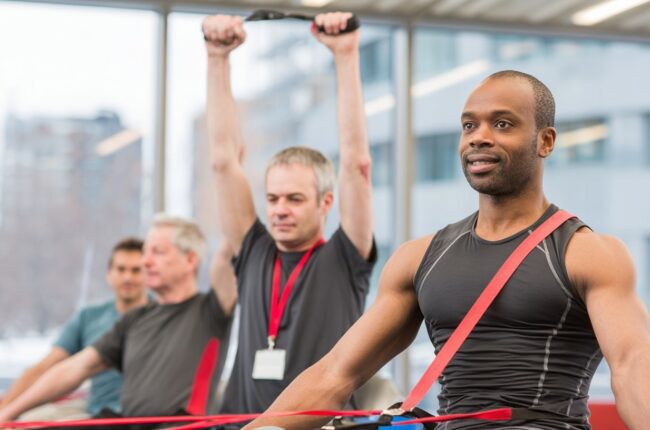
The image of stretching as a rigid, high-impact routine is fading, replaced by a smarter, gentler approach tailored for longevity. Modern seniors are redefining wellness, using targeted techniques to enhance mobility, manage joint pain, and maintain independence. This exploration moves beyond basic flexibility, covering adaptive tools like resistance bands, the safety of chair-assisted poses, and the integration of breathwork. We also delve into how technology-from guided apps to online classes-provides structure and motivation, ensuring that every stretch supports a vibrant, active lifestyle.
1. Morning Mobility Routines to Start the Day
Have you ever woken up feeling like your joints need a full oil change before you can even think about coffee? That familiar morning stiffness happens because synovial fluid, which lubricates your joints, thickens overnight while you rest. A gentle 5-minute stretching routine performed in bed can get that fluid moving again and ease muscle stiffness before your feet even touch the floor.
Start with neck tilts while still lying on your back. Slowly bring your right ear toward your right shoulder, hold for 10 seconds, then return to center. Repeat on the left side. Follow this with shoulder rolls: roll both shoulders forward in slow circles five times, then reverse direction. These two moves target the upper body tension that builds up from sleeping in one position.
Next, move to the edge of the bed for hip flexor stretches. Sit upright with both feet flat on the floor. Extend one leg straight out, keeping the other foot planted, and gently lean forward from your hips. Hold for 10 seconds, then switch legs. This sequence directly addresses the hip flexors that tighten from prolonged sitting and helps with balance improvement throughout the day.
For those with limited mobility, every move has a modified variation. If lying flat causes discomfort, prop yourself up with pillows. If reaching your ear to your shoulder is too far, simply turn your head side to side. The goal is pain-free movement, not perfection. This routine reduces stiffness before getting up, making the transition from bed to standing far safer and more comfortable. It also improves blood circulation, which supports joint mobility and prepares your body for daily living tasks like reaching for a cup or bending to put on socks.
2. Using Resistance Bands for Gentle Support
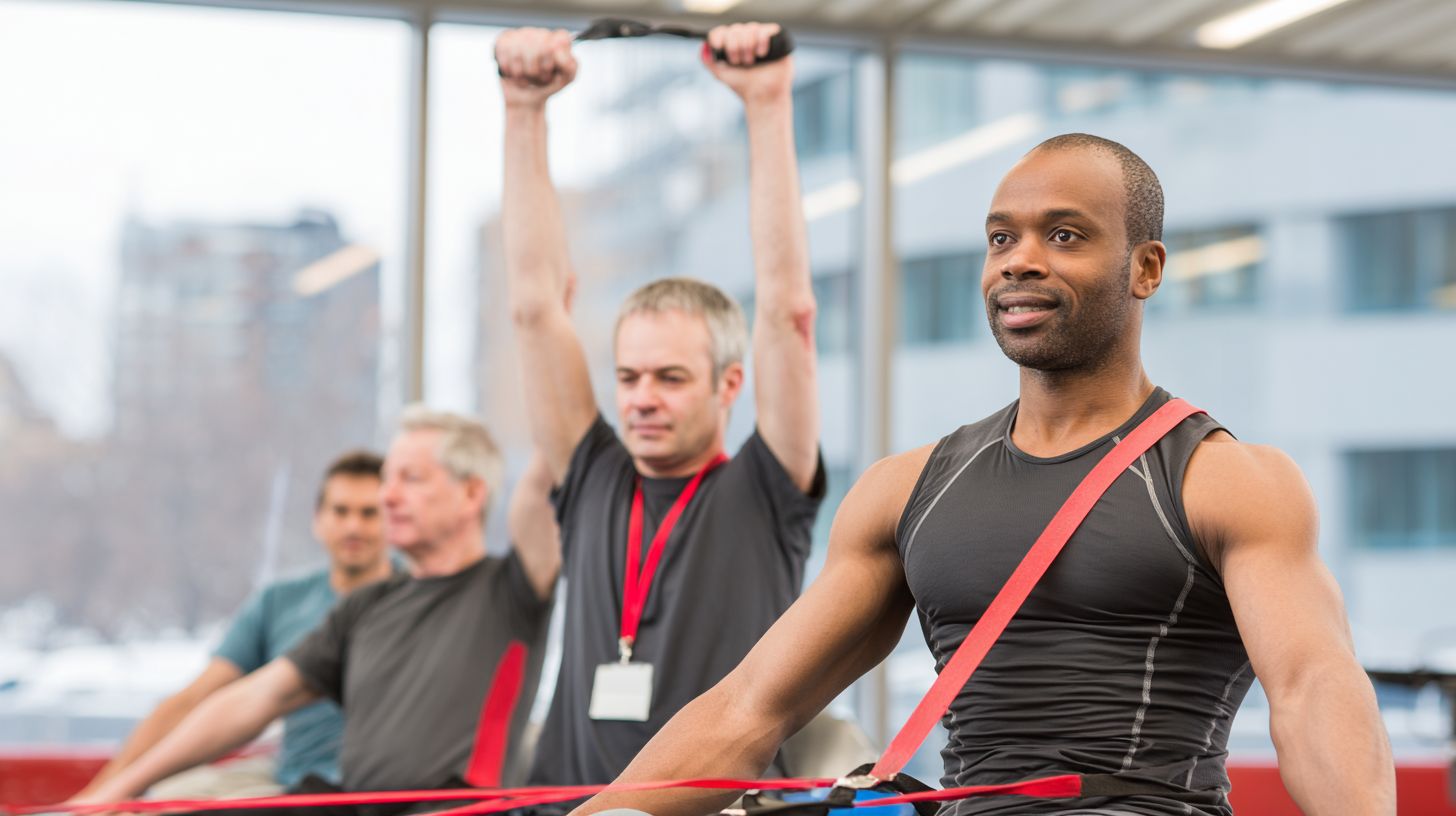
Instead of relying on heavy weights, resistance bands offer a low-impact way to build strength and flexibility without straining fragile joints. These portable tools provide variable tension, meaning the harder you pull, the more resistance you feel. For seniors, this allows for a gentle exercise approach that adapts naturally to individual strength levels.
Bands are particularly useful for joint mobility work because they encourage smooth, controlled movements rather than jerky motions. They also support balance improvement by allowing you to stabilize your core while stretching. The key is selecting the right type of band for your specific needs and fitness goals.
| Band Type | Best For | Pros | Cons |
|---|---|---|---|
| Flat Bands | General stretching and upper body work | Easy to grip, versatile length, inexpensive | Can roll or slip during use, requires hand strength |
| Loop Bands | Lower body and hip work, balance exercises | Stays in place on legs, great for hip flexors, no handles needed | Limited range for arm stretches, may feel restrictive |
| Tube Bands with Handles | Seated rows, chest openers, guided movement | Comfortable grip, feels like gym equipment, good for posture correction | Handles can be bulky, slightly higher cost |
For beginners, flat bands are often the easiest starting point. Loop bands work wonders for hamstring stretch variations and hip mobility. Tube bands with handles provide extra confidence for those with arthritis or grip issues.
Start with a light resistance level and focus on form over force. Safety cues matter more than how far you can pull. Always check the band for small tears or weak spots before each session, and never stretch a band more than twice its resting length.
Quick-Start Band Routine for Seniors
Begin with a seated row to target the upper back and improve posture. Sit tall on a chair, loop the band around your feet, and hold one end in each hand. Pull your elbows back while squeezing your shoulder blades, then slowly release. This movement supports daily living tasks like reaching overhead or pulling open heavy doors.
Next, try a hamstring stretch lying on your back. Loop a band around the ball of one foot and gently straighten your leg toward the ceiling. Keep your hips on the floor and feel a mild pull along the back of your thigh. This helps with muscle stiffness and improves range of motion for bending to tie shoes.
Finish with a chest opener to counter rounded shoulders. Hold the band behind your back with both hands and slowly lift your arms away from your body. Keep your shoulders relaxed and breathe deeply. This stretch supports breathing techniques and reduces tension in the upper body.
Bands also serve as excellent tools for standing support during balance work. Anchor a loop band to a sturdy chair leg and step into it for gentle side steps. This builds proprioception and gait stability without the fear of falling. The band provides just enough tension to engage your core while keeping you grounded.
Always move slowly and never bounce during band stretches. If you feel sharp pain, stop immediately. For seniors with osteoporosis or chronic condition concerns, consult a physical therapist before starting. The goal is pain relief and active aging, not pushing past your limits.
3. Chair-Assisted Stretching for Balance and Safety
When every stretch feels like a balance challenge, a sturdy chair can become your best ally for staying upright and confident. A chair provides a stable base that allows seniors to focus on flexibility without the fear of toppling over. This approach transforms a simple piece of furniture into a reliable tool for fall prevention and balance improvement.
However, using a chair incorrectly can introduce new risks. Many seniors unknowingly create unsafe conditions by making small but significant errors in their setup. Understanding these common mistakes is the first step toward a safer stretching routine that supports active aging and joint mobility.
Here are the five most common mistakes seniors make when stretching with a chair, along with the reasons they occur and the corrected approach for each:
- Chair sliding on the floor. This happens when the chair lacks rubber grips or the floor is smooth. The movement during a stretch can cause the chair to shift, creating a serious hazard. Always use a chair with rubber tips on the legs or place it against a wall to prevent any sliding.
- Leaning too far forward. Seniors often bend at the waist to increase a stretch, which shifts the center of gravity dangerously. This usually occurs when trying to reach the toes or floor. Instead, keep the back straight and hinge from the hips only as far as comfortable, using the chair seat for support.
- Using an unstable chair. Folding chairs, rolling office chairs, or stools without back support are common culprits. These offer little stability and can tip easily. Always select a sturdy chair with four legs that are planted firmly on the ground and a flat, supportive seat.
- Gripping the chair too tightly. White-knuckling the seat creates tension in the shoulders and neck, which defeats the purpose of a relaxing stretch. This often stems from feeling unsteady. Use a light touch for balance, not for bearing weight, and keep the shoulders relaxed and down.
- Holding the breath. Many seniors unconsciously hold their breath when concentrating on a stretch. This increases blood pressure and creates muscle tension. Always pair each movement with a slow exhale to encourage muscle relaxation and better blood circulation.
To correct these issues, start with a seated spinal twist. Sit tall with both feet flat on the floor. Place your left hand on your right knee and gently rotate your torso to the right, looking over your shoulder. Hold for three breaths, then switch sides. This improves range of motion in the spine and helps with posture correction.
Next, try a towel stretch for the hamstrings. Sit on the edge of the chair with one leg extended forward and heel on the floor. Loop a towel around the ball of your foot and gently pull until you feel a mild stretch behind the thigh. This safe method relieves muscle stiffness and supports knee pain management without compromising balance.
Finally, practice standing hip flexor stretches while holding the chair back for support. This improves gait stability and makes daily living tasks like climbing stairs easier. Proper chair use turns a simple prop into a powerful tool for gentle exercise and sciatica relief, enhancing both safety and functional fitness.
4. Incorporating Breathing Techniques with Each Stretch
Did you know that the way you breathe during a stretch can double its effectiveness for both your muscles and your mind? Many seniors overlook this simple tool, yet it transforms a basic stretching routine into a powerful session for pain relief and relaxation. Your breath is always with you, making it the most accessible equipment in your home workout arsenal. Why breathe deeply during stretching? Shallow breathing keeps your body in a mild state of tension, which works against your flexibility goals. Deep breathing signals your nervous system to relax, allowing muscles to release their grip. This is especially helpful for managing arthritis pain and reducing muscle stiffness in the hips, back, and shoulders. Can I improve my breathing to reduce pain? Yes, absolutely. Practicing diaphragmatic breathing trains your body to use its full lung capacity, which improves blood circulation and oxygen delivery to tight tissues. Over time, this technique can lower your perception of discomfort during daily living tasks like bending to tie shoes or reaching overhead.
The Diaphragmatic Breathing Method
To begin, place one hand on your belly and one on your chest. Inhale slowly through your nose, feeling your belly rise like a balloon while your chest stays relatively still. Exhale gently through your mouth, letting your belly fall naturally. This pattern engages your core and promotes a calm, focused state. A simple rhythm that works well for seniors is inhaling for 4 counts and exhaling for 6 counts. The longer exhale activates your relaxation response, which helps reduce overexertion risk during stretching. Practice this for a few minutes while seated before you even start moving.
Coordinating Breath with Movement
The key is to pair your breath with each phase of the stretch. Use your inhale to prepare the body and your exhale to deepen the movement. This creates a smooth, mindful flow that improves joint mobility and range of motion without forcing anything. For example, during a hamstring stretch, inhale as you sit tall and lengthen your spine. Then exhale as you gently hinge forward, allowing the stretch to deepen naturally. This breath-movement connection also supports balance improvement and posture correction as you move through each pose.
A 5-Minute Mindful Stretching Session
Try this simple script to combine breathing with gentle movement. Find a chair with good support and wear comfortable clothing. Keep a water bottle nearby for hydration during exercise. Start seated with your feet flat on the floor. Inhale for 4 counts, lifting your arms overhead. Exhale for 6 counts, lowering your arms and relaxing your shoulders. Repeat this shoulder roll motion 3 times to release upper body tension. Next, perform a neck tilt. Inhale as you sit tall, exhale as you slowly drop your right ear toward your right shoulder. Hold for one full breath cycle, then switch sides. This helps with neck stiffness and improves your visual focus for better coordination. Finish with a seated spinal twist. Inhale to lengthen your spine, exhale to rotate gently to the right, placing your left hand on your right knee. Hold for two breath cycles, then repeat on the left side. This movement supports fascia release and keeps your back flexible for chair yoga and other activities. Remember to keep all movements pain-free and within your comfort zone. If you feel sharp discomfort, ease off and reduce the intensity level. This mindful approach to stretching frequency and duration will help you build a sustainable practice that supports active aging and independence for years to come.
5. Following Online Video Classes Designed for Seniors
Picture this: your living room transformed into a personal studio where an instructor guides you through gentle movements, all without leaving home. That is exactly what happened for Margaret, a 72-year-old retiree who spent months watching online fitness videos with skepticism. She worried about complicated technology and feared looking foolish during a live session.
Her turning point came when her local senior center announced a weekly virtual yoga class. A friendly staff member walked her through the Zoom setup over the phone, easing her initial tech hesitancy. After one session, Margaret realized the instructor demonstrated every pose slowly and offered chair variations for balance support. She now logs in every Tuesday morning with the same group of familiar faces, finding motivation in their shared commitment.
When choosing an online class, look for certified instructors who specialize in senior fitness. The best programs emphasize low-impact movements, clear verbal cues, and modifications for arthritis, knee pain, or back pain. Avoid classes that move too quickly or require complex transitions between poses.
For a safe home setup, place your exercise mat on a non-slip surface near a sturdy chair or wall for standing support. Keep a water bottle within reach and ensure your device is at eye level so you can see the instructor without craning your neck. Many seniors find that using a tablet or laptop on a countertop works better than a phone screen.
The social element matters as much as the physical movement. Group classes offered through senior centers or community programs create accountability and reduce feelings of isolation. Participants often arrive early to chat, sharing tips about managing muscle stiffness or celebrating small wins in their stretching routine. This blend of gentle exercise and social engagement supports both joint mobility and emotional well-being.
6. Stretching to Relieve Joint Stiffness from Arthritis
For those living with arthritis, a gentle stretching routine isn’t just about flexibility-it’s a daily tool for managing pain and preserving independence. Many seniors hesitate to move stiff joints, fearing that stretching will worsen their condition. The truth is quite the opposite. Gentle, controlled movement can actually reduce stiffness and improve joint mobility over time.
Let’s clear up some common myths. First, stretching does not make arthritis worse when done correctly. Second, you do not need to wait until you are completely pain-free to stretch. Pain-free movement within your current range of motion is both safe and beneficial. The key is to avoid pushing into sharp or severe pain, which signals tissue strain rather than therapeutic release.
Stretching stimulates the production of synovial fluid, the body’s natural joint lubricant. This fluid nourishes cartilage and reduces friction during movement. Think of it as oiling a rusty hinge: slow, deliberate motion helps the joint move more smoothly with less discomfort. Regular gentle exercise also supports blood circulation, which brings nutrients to the joint area and helps ease muscle stiffness.
For arthritis management, consistency matters more than intensity. A short daily routine is far more effective than a long session done once a week. Start with just five minutes and gradually build up as your joints respond positively. Always warm up with light movement, such as walking around the room, before attempting deeper stretches.
Common Arthritis Stretching Myths
- Myth: Stretching damages arthritic joints. Fact: Slow, gentle stretching within your comfort zone actually supports joint health and reduces stiffness.
- Myth: You should only stretch when pain-free. Fact: Mild discomfort from stiffness is normal. You only need to avoid sharp, shooting, or severe pain.
- Myth: If it hurts, it’s working. Fact: For arthritis, pain is a signal to back off. Stretching should feel like a mild pull, never a painful strain.
- Myth: Stretching is useless once joints are damaged. Fact: Even with joint changes, stretching preserves the range of motion you still have and helps prevent further decline.
Practical Stretches for Hands, Knees, and Hips
For hand arthritis, try gentle finger bends. Open your palm flat, then slowly curl your fingers into a loose fist. Hold for five seconds, then straighten. Repeat with each hand. This simple movement helps maintain grip strength for daily living tasks like holding utensils or opening jars.
For knee stiffness, sit in a sturdy chair with feet flat on the floor. Slowly extend one leg straight out, hold for a few seconds, then lower it. This seated leg extension strengthens the quadriceps and improves knee joint mobility without putting weight on the joint. Perform eight to ten repetitions per leg.
For hip flexibility, try the seated hip march. While sitting tall, lift one knee toward your chest as far as comfortable, then lower it. Alternate legs. This movement addresses hip flexors, which often tighten with prolonged sitting. Improved hip mobility supports gait stability and makes stair climbing easier.
Sample Arthritis-Friendly Morning Routine
Begin with neck tilts: gently lower your right ear toward your right shoulder, hold for 15 seconds, then switch sides. Follow with shoulder rolls, circling your shoulders backward five times and forward five times. These warm-up exercises prepare the upper body for movement.
Move to the chair yoga sequence for the lower body. Perform ten seated leg extensions, then ten hip marches. Finish with a towel stretch for the hamstrings: loop a towel around your foot, gently pull your leg straight, and hold for 20 seconds. This cool-down stretch helps maintain hamstring flexibility without straining the lower back.
Remember to breathe deeply throughout each movement. Slow, rhythmic breathing promotes relaxation and reduces the tendency to tense up. If a particular stretch causes sharp pain, stop and modify it. Consider using a wall for balance support or an exercise mat for comfort. Over time, this gentle approach can significantly improve joint mobility and make daily living tasks feel less challenging.
7. Using Smartphone Apps for Guided Reminders and Progress
Imagine having a personal stretching coach in your pocket that nudges you to move every few hours, that’s the power of modern smartphone apps. These tools turn a standard stretching routine into an interactive experience with timers, visual guides, and gentle alerts. For seniors, the best apps focus on senior flexibility and joint mobility with simple, large-button interfaces.
Setting up an app usually takes less than five minutes. You pick your comfort level, choose from seated or standing options, and set your preferred times for reminders. The notification acts as a cue to break up sedentary behavior, which is essential for fall prevention and gait stability. A quick two-minute session can reduce muscle stiffness and improve blood circulation without leaving your chair.
Here are five highly rated apps that work well for older adults:
- Stretch It: Offers full-body routines with animated guides. It includes a daily plan builder and gentle audio cues, making it easy to follow along without squinting at the screen.
- Senior Fitness: Designed specifically for active aging, this app features chair yoga and balance exercises. It uses large text and high-contrast colors for easy readability.
- Yoga for Seniors: Focuses on modified poses and seated variations. Each session includes breathing techniques and mindfulness movement to support relaxation and posture correction.
- Relax & Stretch: Provides targeted routines for back pain, knee pain, and hip flexors. It works offline, so you can use it in a park or at a community center without Wi-Fi.
- Pocket Yoga: Uses illustrated pose cards instead of video, which helps seniors move at their own pace. It tracks progress over time and allows for gradual progression.
When choosing an app, prioritize large text, a simple interface, and offline capabilities. Many seniors prefer apps that do not require an account or a subscription. Start with the free version of an app to test the layout. Look for settings that let you adjust the reminder frequency, so you are not overwhelmed by constant alerts.
Use the progress tracker to log your range of motion and stretching frequency each week. This visual record helps you notice small improvements in balance improvement and muscle strength. Set a daily reminder for the same time each morning to build a consistent habit. Over time, these gentle prompts support exercise adherence and make daily living tasks like bending to tie shoes or reaching overhead feel easier.
8. Partner Stretching with a Spouse or Caregiver
Stretching doesn’t have to be a solo activity-partnering up can turn a routine into a bonding experience while making each stretch safer and more effective. Consider the case of Margaret and Roy, a couple in their late 70s who introduced partner stretching into their evening routine after Roy’s knee replacement surgery. What began as a way to support Roy’s physical therapy quickly became their favorite part of the day.
At first, the couple struggled to communicate their comfort levels. Margaret would pull too hard on Roy’s leg, and Roy would wince instead of speaking up. They learned to use simple verbal cues like “more” and “ease off,” which transformed their sessions into a practice of trust and attentiveness. Now, they spend 15 minutes each night on their exercise mat, alternating between seated variations and standing support stretches.
The key to their success was starting slow and using a towel as a buffer for grip. They discovered that assisted stretching allowed Roy to achieve a deeper range of motion than he could alone, while Margaret benefited from the gentle core engagement required to stabilize him. Their story shows that partner work is not about strength, but about safety cues and mutual awareness.
Beyond the physical gains, this shared activity has improved their mood enhancement and social engagement. They laugh more, argue less, and look forward to this quiet time together. For caregivers, this approach turns a duty into a meaningful connection, reducing feelings of isolation for both parties.
Here are three safe partner-assisted stretches that Margaret and Roy use, all designed for pain relief and joint mobility without straining fragile muscles.
- Seated Hamstring Pull: Both partners sit on the floor, facing each other with legs extended. Place a towel looped around the stretching partner’s foot. The partner holding the towel gently pulls while the stretcher keeps their back straight. Hold for 20 seconds. This targets hamstring stretch and muscle stiffness in the lower back.
- Back-to-Back Side Stretch: Sit back-to-back with knees bent and feet flat. One partner raises their left arm overhead while the other leans right, creating a gentle spinal twist effect. Alternate sides. This improves posture correction and opens the hip flexors.
- Standing Shoulder Support: One partner stands behind the other, placing hands on their shoulders. The front partner slowly rolls their shoulders forward and back while the back partner provides gentle resistance. This is excellent for shoulder roll mobility and neck tilt relief after long periods of sitting.
Safety is paramount in any partner work. Never pull a limb into pain, and always communicate clearly before increasing pressure. Use a chair for balance improvement if either partner feels unsteady. Stop immediately if you feel a sharp sensation, as overexertion risk increases when two people are involved.
The psychological benefits of this shared practice are just as important as the physical ones. Research suggests that synchronized movement with a partner can enhance mindfulness movement and deepen emotional bonds. For seniors, this type of gentle exercise supports active aging by making exercise adherence feel like a team effort rather than a chore.
Margaret notes that their evening stretching has improved Roy’s gait stability and her own balance exercises proficiency. More importantly, it has given them a shared language of care. Whether you stretch with a spouse, a sibling, or a paid caregiver, the routine becomes a group motivation tool that reinforces functional fitness for daily living tasks like getting up from a chair or …
Every idea begins as a spark, but its journey from imagination to realization is shaped by the environment in which it grows. Where ideas evolve is the intersection of creativity, persistence, and opportunity. This process is as much about discipline as it is about inspiration. The most impactful ideas are not simply dreamed up; they are nurtured, tested, and refined until they can withstand real-world challenges.
The process of evolving ideas requires patience and adaptability. Rarely does a first draft of an idea represent its full potential. Instead, through feedback, failures, and iteration, ideas are sharpened and improved. Entrepreneurs often refer to this as “pivoting”—adjusting an idea in response to new insights or obstacles. Scientists follow a similar path, conducting experiments and refining hypotheses until results are validated. These cycles of improvement are the heartbeat of evolution in creative thinking.
Mentorship and collaboration play pivotal roles in helping ideas mature. Experienced voices can provide perspective, pointing out weaknesses or opportunities that may be invisible to the original creator. Meanwhile, teams that bring together varied skills—technical, artistic, strategic—are more likely to refine an idea successfully. This collective refinement process not only strengthens the outcome but also fosters a sense of shared ownership, making the journey of idea evolution richer and more rewarding.
Ultimately, where ideas evolve is anywhere that creativity is encouraged, failure is accepted, and persistence is celebrated. From classrooms and startups to global forums and digital networks, these environments ensure that ideas do not remain fleeting sparks but grow into transformative forces. By honoring the journey from concept to creation, we celebrate the spaces and people who help ideas evolve into solutions that shape tomorrow.
…
Every great innovation begins in a space where imagination is allowed to flourish. Where ideas evolve is not limited to physical places but includes mental and cultural environments that nurture curiosity. From modern coworking hubs to ancient libraries, these spaces reflect humanity’s desire to gather, share, and create. They serve as incubators for discovery, allowing people to test concepts, challenge norms, and reimagine possibilities.
The design of these creative spaces plays a significant role in shaping how ideas grow. Open environments that encourage interaction are proven to spark collaboration, while quiet corners allow for deep thinking. Digital spaces, too, have become vital arenas for idea evolution. Online communities and virtual collaborations enable creators from different countries to contribute, creating a global exchange of innovation. These physical and digital ecosystems remind us that ideas thrive when supported by the right conditions.
Beyond structure, culture influences how ideas evolve. Spaces that reward curiosity, allow mistakes, and prioritize learning over immediate results encourage innovation. For example, companies that give employees freedom to explore passion projects often see unexpected breakthroughs. Similarly, academic institutions that encourage interdisciplinary research provide students with opportunities to tackle real-world problems from multiple angles. Culture defines whether ideas are stifled or allowed to evolve into solutions with impact.
Where ideas evolve is a reflection of how societies view creativity and progress. By investing in inclusive, supportive, and collaborative environments, communities cultivate a cycle of continuous innovation. These spaces are not just about creating the next big product—they are about empowering people to think critically, adapt, and contribute to a brighter future.
…
Innovation rarely happens in isolation. Instead, it emerges in spaces where ideas evolve—places that encourage experimentation, curiosity, and collaboration. These environments could be classrooms, research labs, design studios, or even coffee shops where creative minds gather. Wherever ideas are given room to grow, the seeds of progress are planted. The evolution of an idea often starts small, with a spark of curiosity, and gradually develops into solutions that have the power to transform industries and societies.
The beauty of idea evolution is its unpredictability. An initial thought may begin as a question, such as “What if we could…?” and then grow through feedback, trial, and revision. History shows that many groundbreaking innovations were not born perfect; instead, they matured through cycles of refinement. The lightbulb, the internet, and countless medical discoveries all emerged from this process of evolution. Encouraging environments that tolerate mistakes and embrace failure as a learning tool is vital for nurturing these breakthroughs.
Collaboration is another crucial factor in the evolution of ideas. When diverse perspectives intersect, they create fertile ground for creativity. Interdisciplinary projects—where scientists, artists, engineers, and entrepreneurs share insights—demonstrate how ideas can evolve in unexpected ways. A problem viewed from multiple lenses often leads to more robust and sustainable solutions. By embracing inclusivity and diversity, idea evolution transcends boundaries, producing innovations that serve broader communities.
Ultimately, where ideas evolve defines the pace of progress. Societies that invest in creative ecosystems—supporting research, education, and artistic expression—foster a culture where ideas do not just exist but thrive. These spaces give individuals permission to dream boldly and pursue possibilities without fear. By valuing evolution over perfection, we ensure that ideas continue to grow into innovations that shape the future.
…